Best Practices for Handling Non-Functional Requirements (NFRs) in Scrum Teams
During our Let’s Talk Scrum (LTS) meet-up, we discussed a key question: “How should Non-Functional Requirements (NFRs) be managed in Scrum?”
Here are the main takeaways from our discussion:
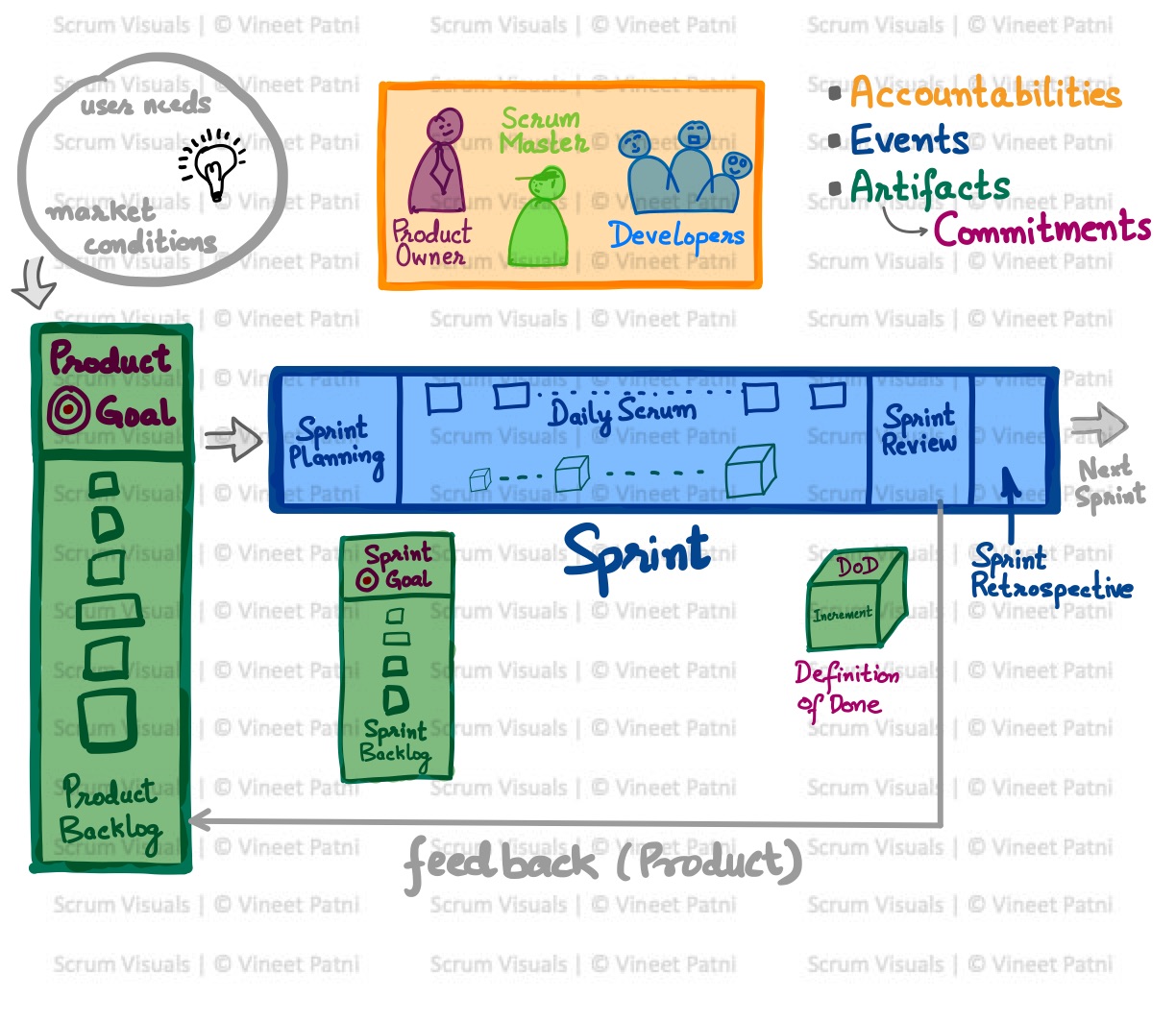
- The Product Backlog (PB) serves as the single source of truth for all potential work that can add value to the product. This includes all NFRs. Including NFRs in the Product Backlog ensures transparency across the Scrum Team.
- Anything that contributes to enhancing product value should be captured in the Product Backlog. This can range from team training requirements to infrastructure upgrades, system improvements, or performance optimizations.
- Prioritization of NFRs is handled by the Product Owner (PO) in collaboration with the Developers. Decisions take into account factors like overall value delivery, risk, and Total Cost of Ownership (TCO) for the product.
- It’s important to understand that in Scrum, there is no concept of “Technical Stories” or “Non-Functional User Stories.” User Stories are primarily a placeholder for functional or user-centric requirements. NFRs are handled as part of backlog items, not as separate story types.
Key Takeaway: Always strive to be Agile by continually adapting and improving how NFRs are integrated into your product development process.
For more insights and a deeper understanding, check out the full discussion on handling NFRs in Scrum: How Non-Functional Requirements (NFR) Are Handled in Scrum
Best Practices for Handling Non-Functional Requirements (NFRs) in Scrum Teams
Related Posts

Category:
Adopting Scrum Values: Building High-Performing Agile Teams Scrum is one of the most popular Agile frameworks, designed to help teams

Category:
All You Need to Know About the Scrum Team: Accountabilities, Roles, & Responsibilities The Scrum Team is the fundamental unit

Category:
Multiple Increments in a Sprint: Driving Continuous Value Flow in Scrum Agile development is all about delivering value early, frequently,