The Psychology of Successful Agile: How Cognitive Bias Shapes Teams and Decisions
Agile isn’t just about frameworks, sprints, or tools—it’s about people, their behaviors, and the way they make decisions. Behind every Agile success (or failure) lies psychology, especially the influence of cognitive biases. These systematic errors in thinking can shape how teams plan, collaborate, and deliver value.
In this blog, we’ll explore the psychology of successful Agile: the role of cognitive biases, the Agile Manifesto’s emphasis on people, the challenges faced by Product Owners, and the lessons we can learn from prospect theory in decision-making.
Cognitive Bias and Agile Decision-Making
A cognitive bias is a systematic error in thinking that occurs when people process and interpret information in a way that is not accurate or unbiased. These biases are often unconscious, triggered by emotions, mental shortcuts (heuristics), or social pressures.
While they help speed up decision-making, biases can lead to flawed judgments and poor outcomes in Agile teams. For example:
- Overestimating timelines because of optimism bias.
- Ignoring alternative solutions due to anchoring bias.
- Prioritizing short-term wins over long-term outcomes.
Recognizing these biases is the first step to reducing their impact on Agile practices.
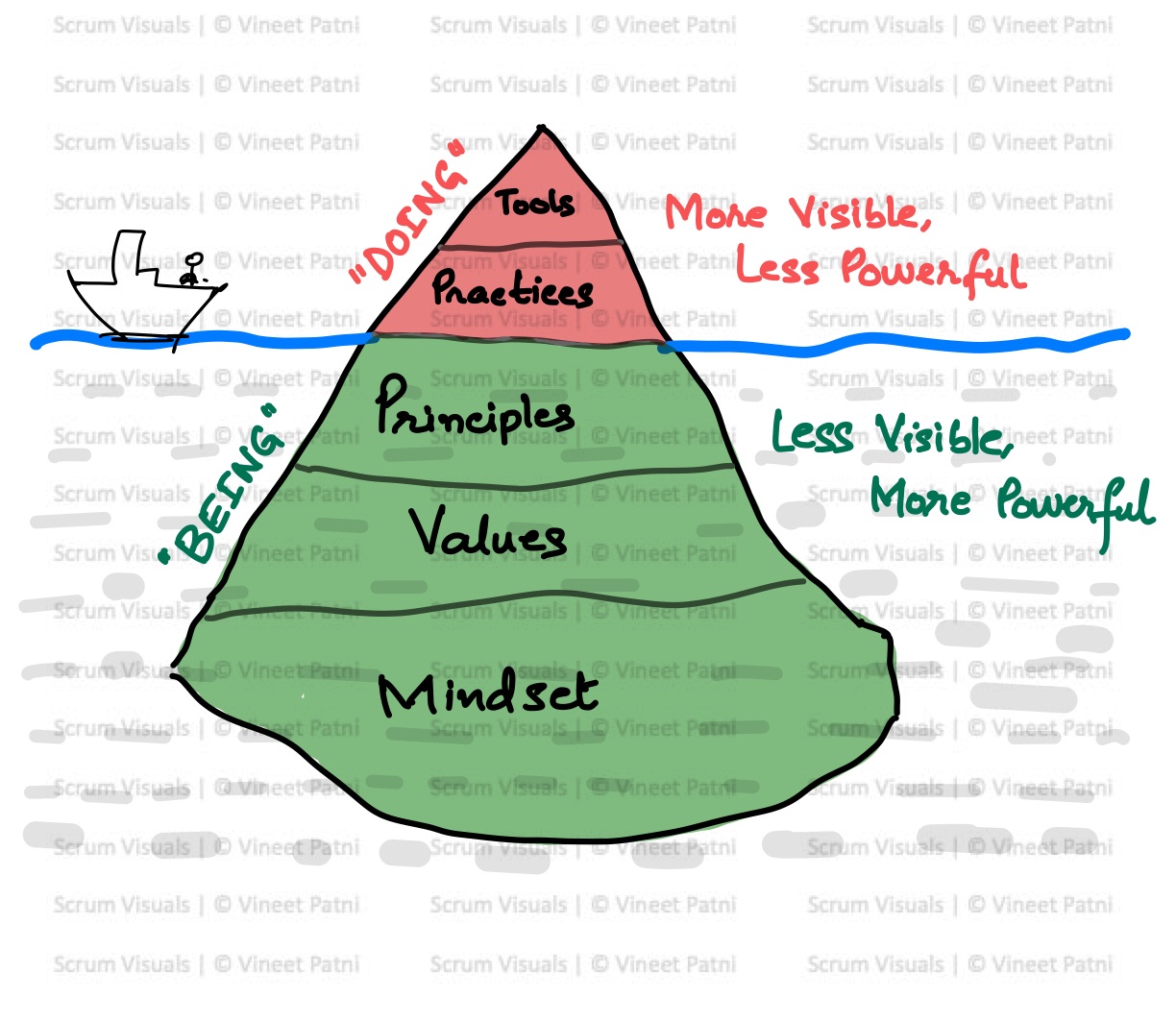
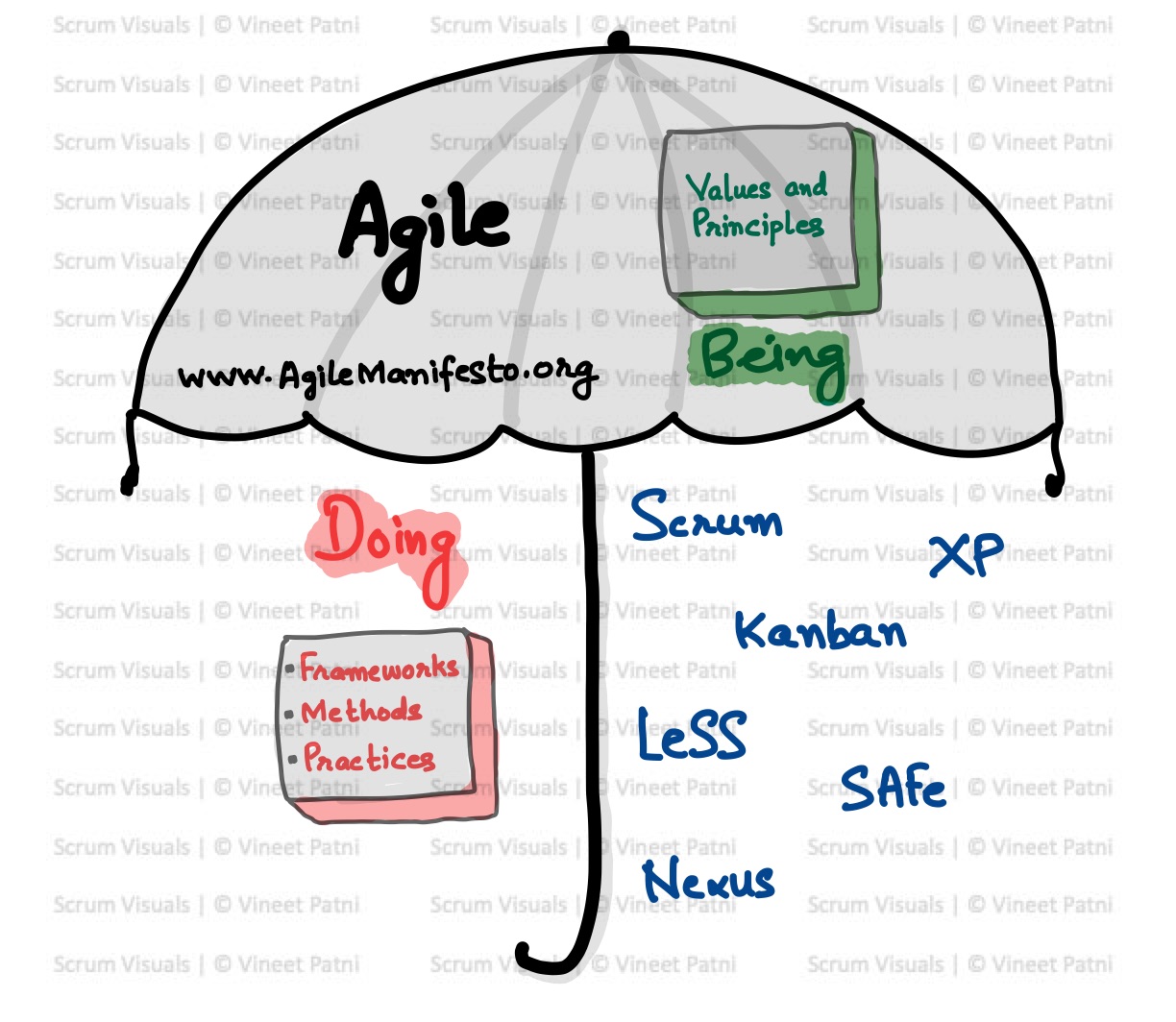
Individuals and Interactions Over Processes and Tools
The Agile Manifesto begins with a powerful principle: “Individuals and interactions over processes and tools.”
This doesn’t mean processes and tools don’t matter—they do. But Agile emphasizes that tools should support people, not constrain them. When organizations force individuals to conform to rigid tools and procedures, innovation stalls, collaboration weakens, and adaptability suffers.
Agile methodologies deliberately reduce the weight of tools and processes, shifting the focus to human creativity, energy, and problem-solving. Processes and tools exist to serve the team—not the other way around.
The Product Owner and Cognitive Bias
The Product Owner (PO) plays a critical role in maximizing team value by keeping the backlog aligned with customer and stakeholder needs. However, POs are especially vulnerable to cognitive biases that influence decision-making:
- Anchoring Bias – Placing too much weight on the first piece of information encountered, making it harder to evaluate new ideas objectively.
- Planning Fallacy – A type of optimism bias where teams underestimate timeframes, risks, or resources, leading to unrealistic project plans.
Agile tip: To counter these biases, encourage collaborative backlog refinement. For instance, writing down ideas on cards and reviewing them as a team reduces anchoring bias and ensures more balanced decision-making.
Prospect Theory in Agile
Prospect theory, a concept from behavioral economics, explains how people perceive gains and losses differently.
- Losses feel more painful than equivalent gains feel rewarding.
- Teams or stakeholders may resist change due to fear of loss, even if the outcome promises higher benefits.
- Decision-makers often prioritize avoiding risks over pursuing innovation.
In Agile environments, this means product managers and teams must carefully frame options—not just in terms of efficiency or cost savings, but also in terms of potential gains and long-term value.
Conclusion: Psychology Matters in Agile Success
Agile isn’t immune to human nature. Our cognitive biases—anchoring, optimism, or risk aversion—shape how we plan, prioritize, and deliver. While we can’t eliminate these biases, we can learn to recognize and manage them.
Success in Agile requires more than ceremonies and tools. It demands awareness of human psychology, a culture of collaboration, and the courage to face our biases head-on.
By embracing this reality, teams can achieve not only functional products but also sustainable, human-centered success.
Upcoming Trainings







← Scroll to see more →
Related Posts