Being Agile in the Services Industry: Challenges & Solutions
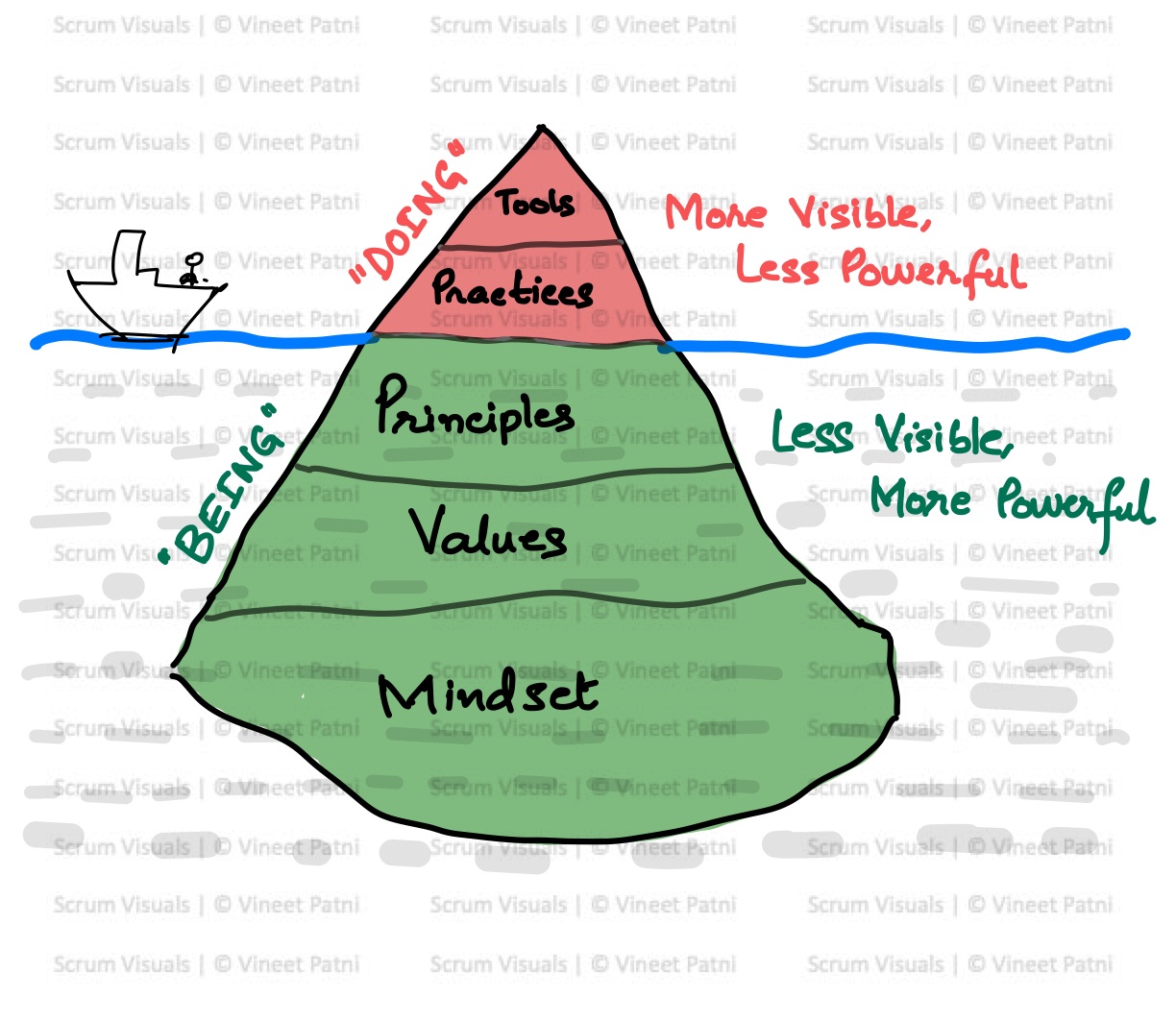
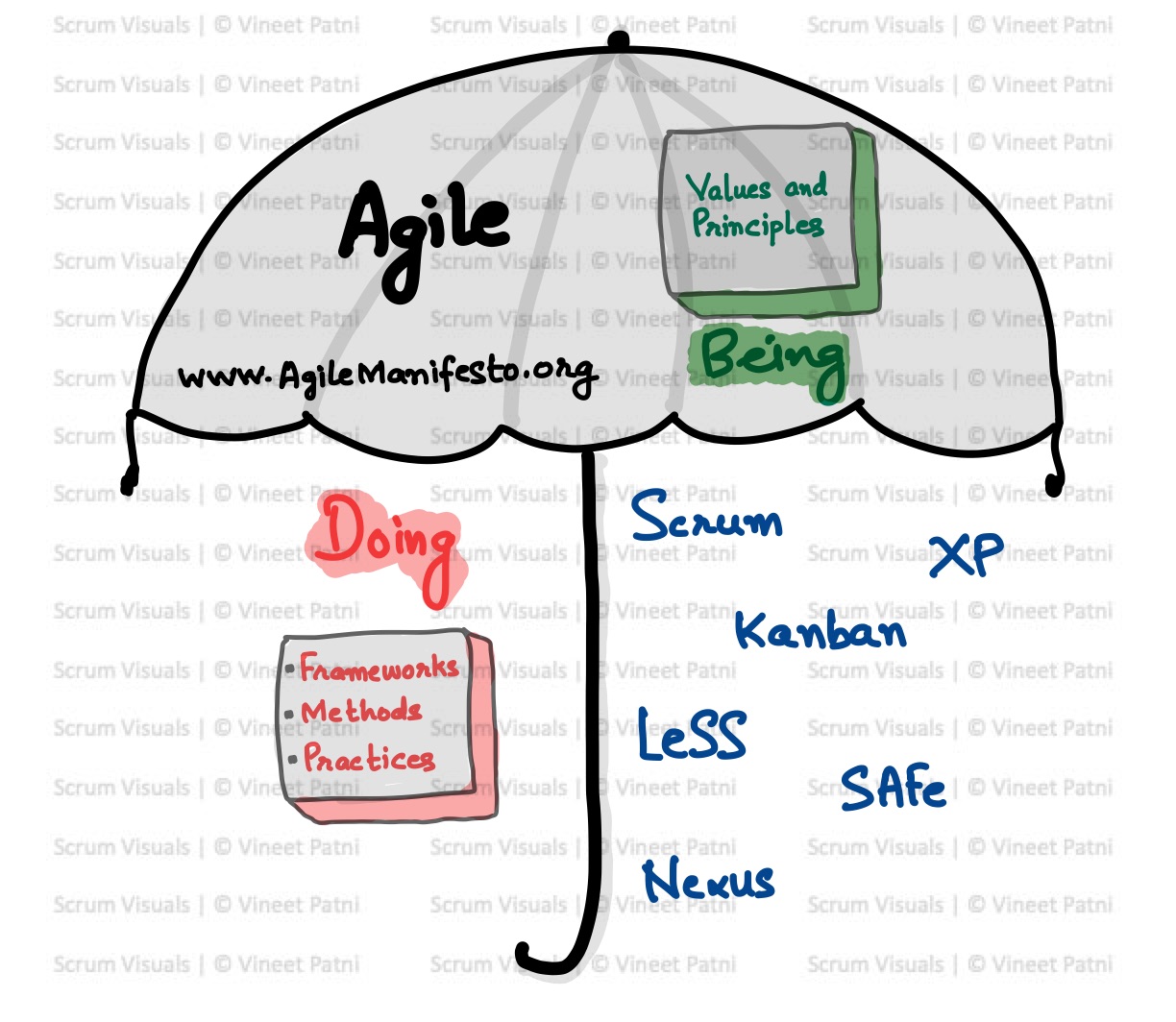
Agile isn’t new. While it gained popularity in manufacturing and software development, its adoption in the services industry has been slower and more complex. Agile in IT products is relatively straightforward, but implementing it in IT services presents unique challenges. Becoming a 100% Agile services provider requires overcoming multiple barriers—yet the rewards are worth it.
Why Shift to Agile in Services?
Many organizations that have thrived for decades on traditional service delivery models may ask—why change? The answer lies in Agile’s ability to:
- Encourage casual yet effective client communication
- Enable longer, better client contracts
- Deliver value through iterative development in small steps
- Simplify testing with Automation
- Ensure clarity through a strong definition of done
These advantages help solve many of the persistent problems in IT services and make Agile a key differentiator in a competitive market.
Overcoming Challenges in Agile Service Delivery
1. Building an Agile Culture
- Align Developers (including testers) and management around a shared vision.
- Train supporting teams like marketing and sales.
- Establish an Agile Center of Excellence (CoE) to keep Agile practices alive.
2. Gaining Client Buy-In
- Some clients embrace Agile, while others resist.
- Case studies showcasing benefits help build confidence.
- Tailored approaches for new clients and existing ones ease the transition.
3. Distributed & Remote Teams
- Co-location is ideal but rarely practical in outsourcing.
- Tools like Jira, Taiga, Asana, and TFS support distributed Agile.
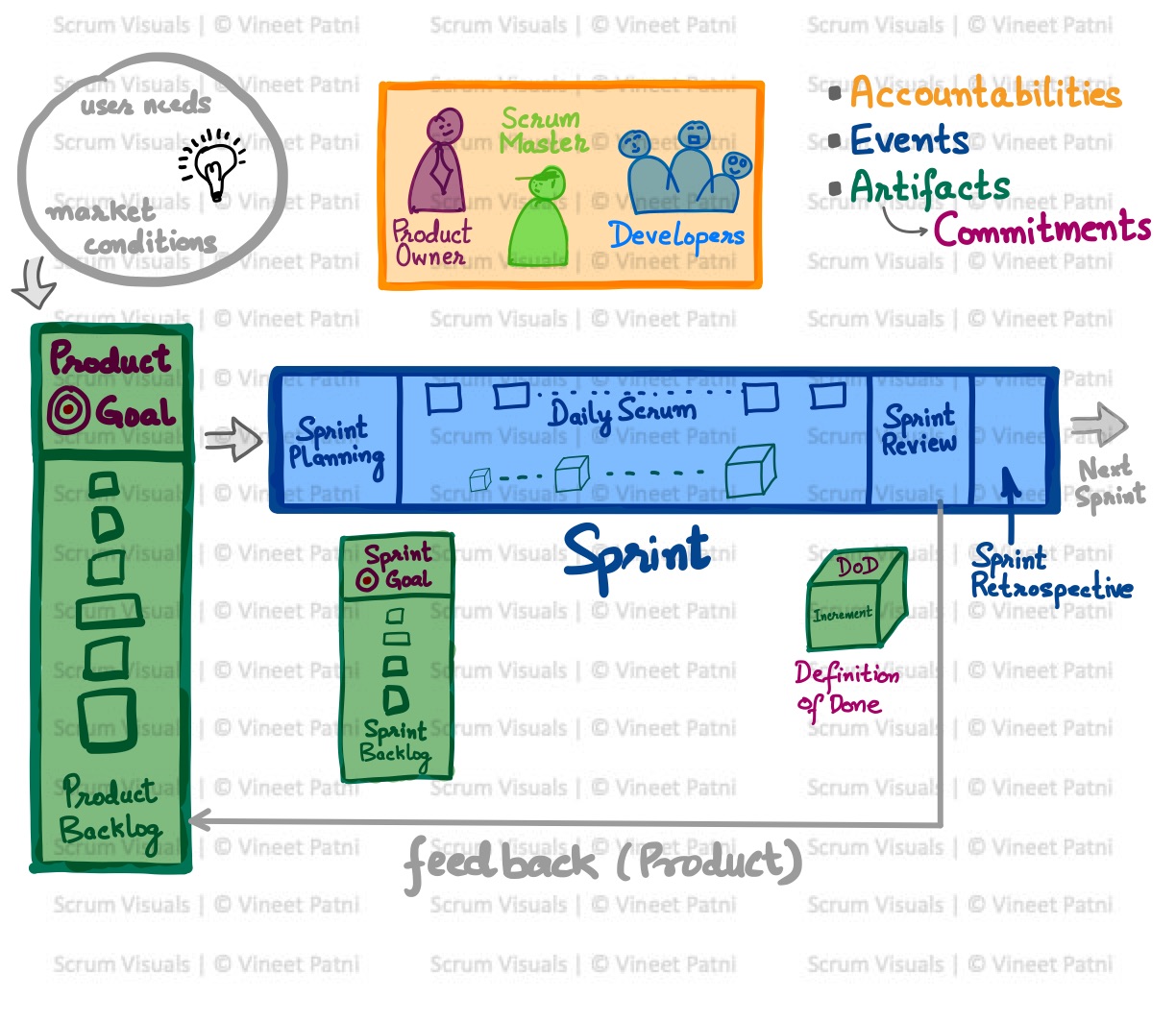
- Daily Scrums (DSMs) can be split: internal in the morning, client-facing in the evening.
4. Client Availability & the PO Role
- Appoint a dedicated Product Owner (PO) for clarity.
- Use a shadow PO to handle time zone gaps, resolving 60–70% of issues locally.
5. Managing Time Zones & Sprint Cycles
- Traditional Monday-to-Friday sprints reduce productivity.
- Mid-week sprint cycles (e.g., Wednesday start/finish) increase focus.
- Pre-sprint planning ensures meetings are shorter and more effective.
Conclusion
Agile adoption in the services industry isn’t easy—but it’s achievable with the right mindset, tools, and adaptations. By addressing challenges like client buy-in, distributed teams, and time zones, organizations can transform service delivery into an Agile-driven competitive advantage.
Upcoming Trainings






← Scroll to see more →
Related Posts