Hierarchy in Agile: Do We Really Need It?
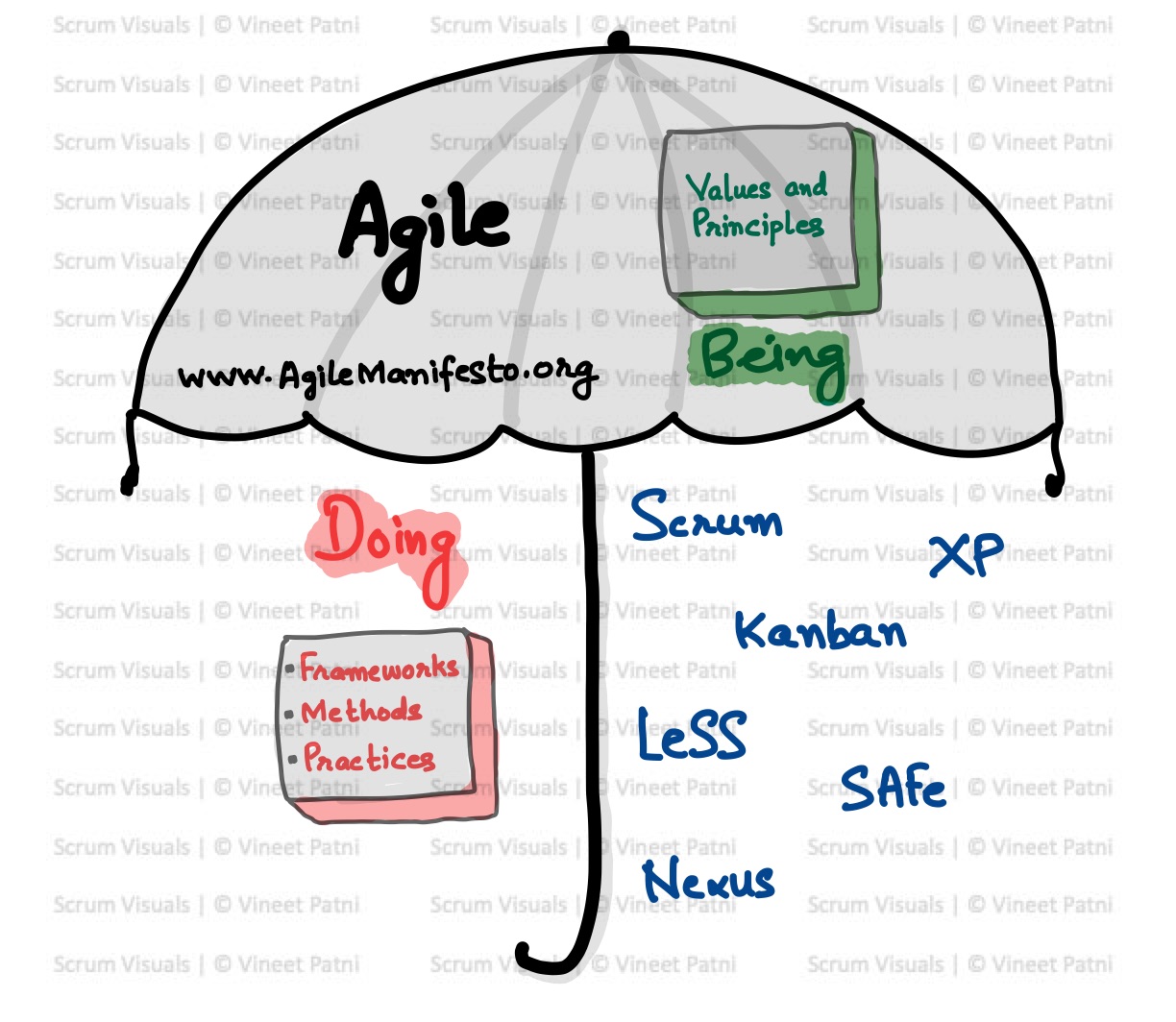
Agile is an iterative project management and software development approach that helps teams deliver value to clients faster and with fewer challenges. Unlike a “big bang” launch, Agile teams release work in small, manageable steps, adapting continuously to requirements, plans, and outcomes. This flexibility allows teams to respond quickly to changes in the environment.
What is the Hierarchy in Agile?
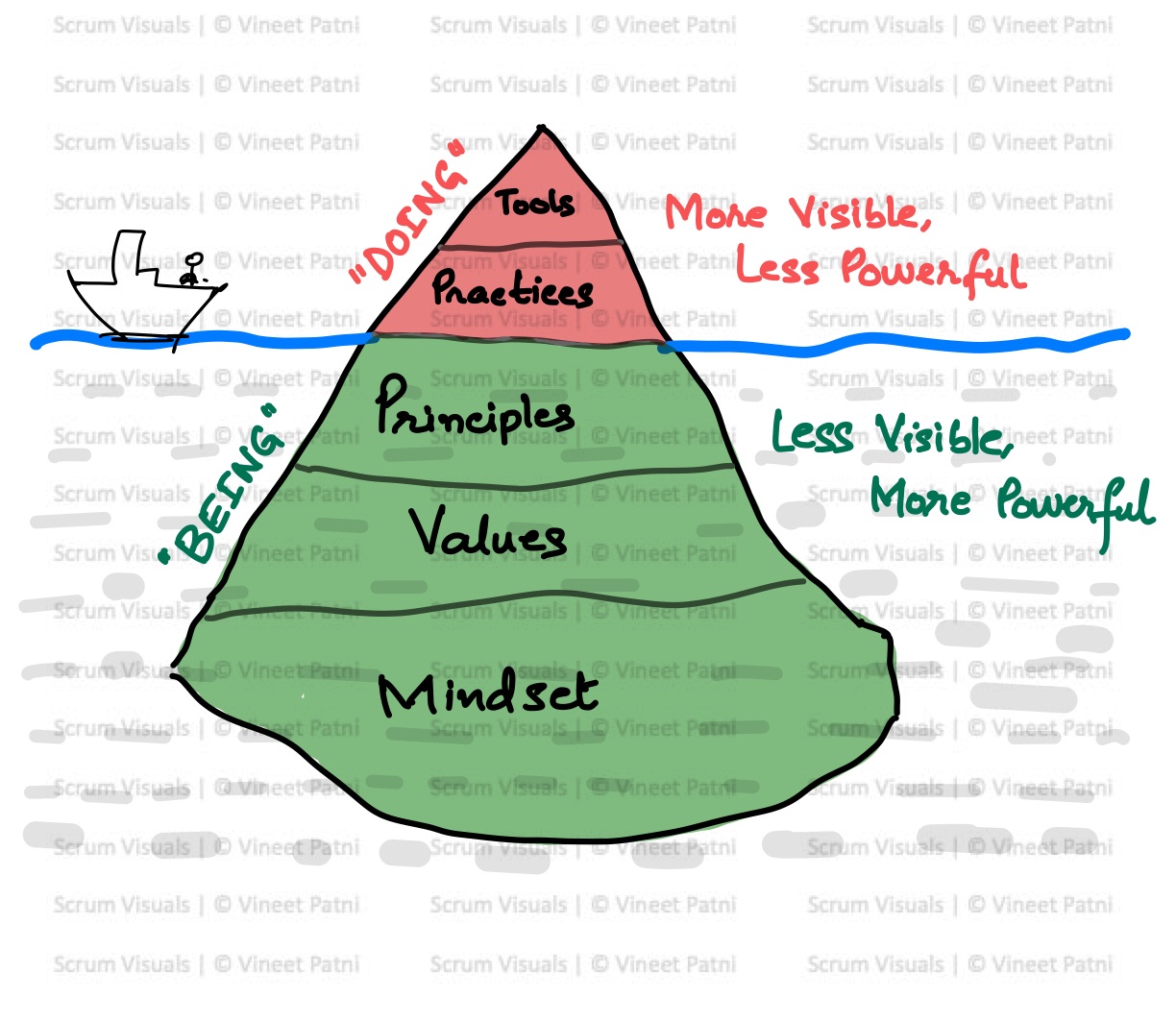
Most Agile organizations retain some form of traditional hierarchy at the top level. However, beyond that, they operate as a network of self-governing teams, each aligned toward the same goal with the autonomy to decide how best to achieve it.
Why Do Organizations Need Hierarchy?
A hierarchy can serve as a system of accountability. Leaders are responsible for results, and underperformance can be addressed through organizational checks and promotions. For many businesses, hierarchical structures provide stability and long-term success for owners, managers, and employees.
That said, Agile organizations thrive without rigid hierarchies, focusing instead on collaboration, transparency, and shared accountability.
Agile Project Scheduling in Practice
Agile project scheduling, often associated with Scrum, relies on iterative planning rather than detailed upfront roadmaps. Requirements evolve throughout the project, fueled by continuous feedback. To make it work, teams should:
- Define clear goals and required qualities.
- Outline features, dependencies, risks, and infrastructure needs.
- Estimate team capacity based on past sprint velocity and current workload.
- Break down work into epics and user stories, then prioritize them for releases.
- Use short iterations (sprints), typically 1-2 weeks, to deliver incremental value.
- Continuously refine the backlog, adding or reprioritizing stories as needed.
- Communicate the plan transparently through Agile management tools, ensuring alignment with product owners and stakeholders.
This incremental, feedback-driven approach helps teams remain flexible and deliver meaningful value faster.
Conclusion
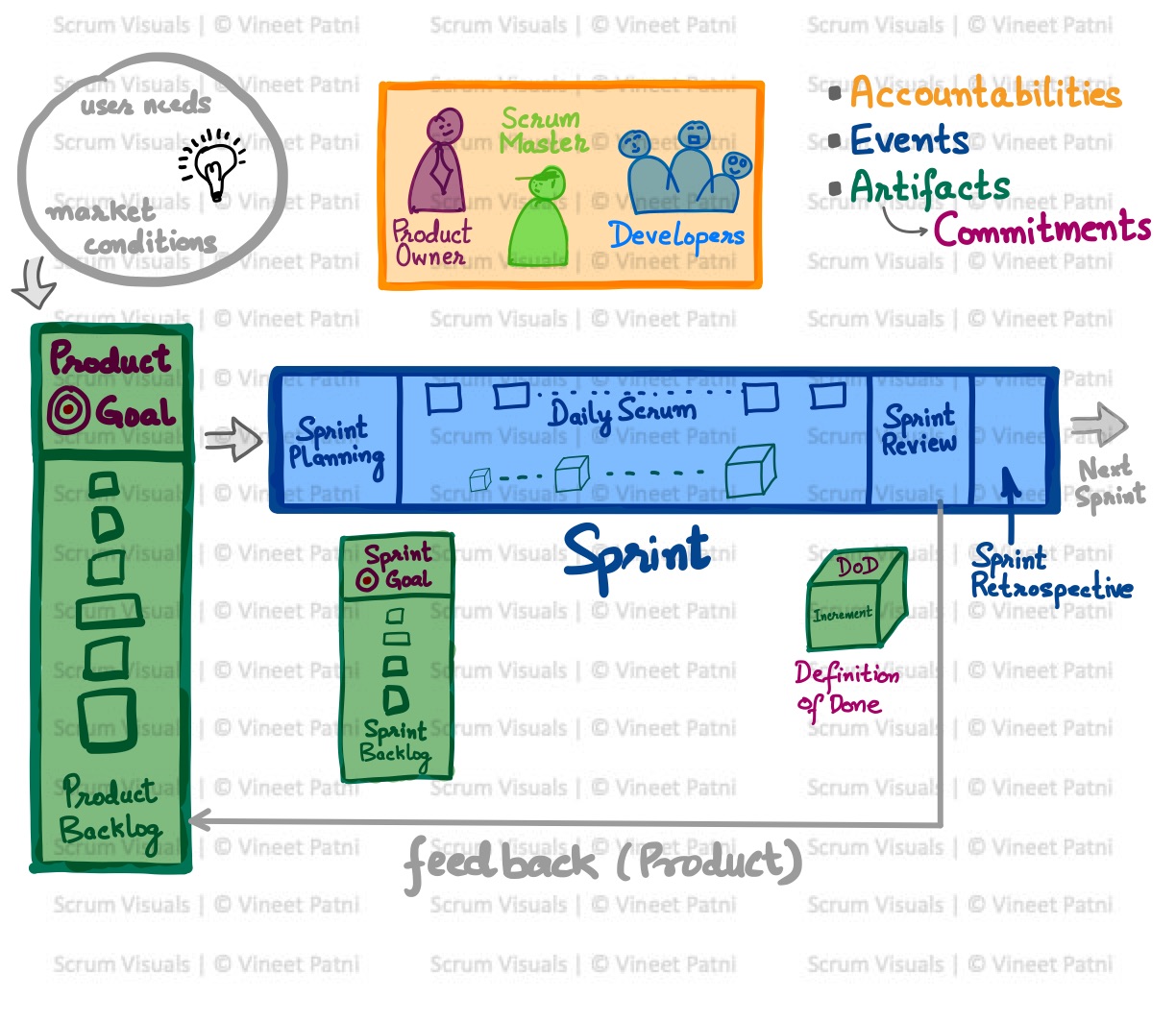
An organization is truly Agile when it can adapt swiftly to an ever-changing environment. The Scrum framework, in particular, favors a flat organizational structure, where roles such as Scrum Master, Product Owner, and Developers are all valued equally within the team.
The ultimate goal of Agile is not to reinforce hierarchy but to reduce its necessity—empowering teams to self-organize, innovate, and deliver results that matter.
Upcoming Trainings




← Scroll to see more →
Related Posts