Organizational Change Management and Agile: Driving Transformation Together
Background
Every company, regardless of size, undergoes periodic reviews to evaluate its goals, mission, and values. These reality checks help assess people, processes, and performance. While some organizations schedule these assessments regularly, others are compelled by rapid technological shifts and market disruptions to embrace change in one or more areas:
- Strategy – Responding to market changes, staying ahead of competition
- Processes – Plugging revenue leakages, boosting productivity
- Technology – Reducing time-to-market, improving efficiency
- Re-organization – Internal restructuring and realignment
A Framework for Organizational Change Management
Change should never feel like a top-down directive. Instead, Organizational Change Management (OCM) should ensure that transformation evolves as a natural step forward. Effective OCM typically follows four stages:
- Evaluate – Understand the “Now” vs. the “Future”
- Strategize – Define sponsors, implementation teams, and deployment schemes
- Communicate – Share the logic, methods, and goals of change
- Execute – Facilitate, allocate resources, and implement
For change to succeed, employees must believe in the initiative and understand its intended positive outcomes. OCM should also minimize disruption during the transition and include mechanisms to measure success over time.
Agile: The Best Fit for Organizational Change
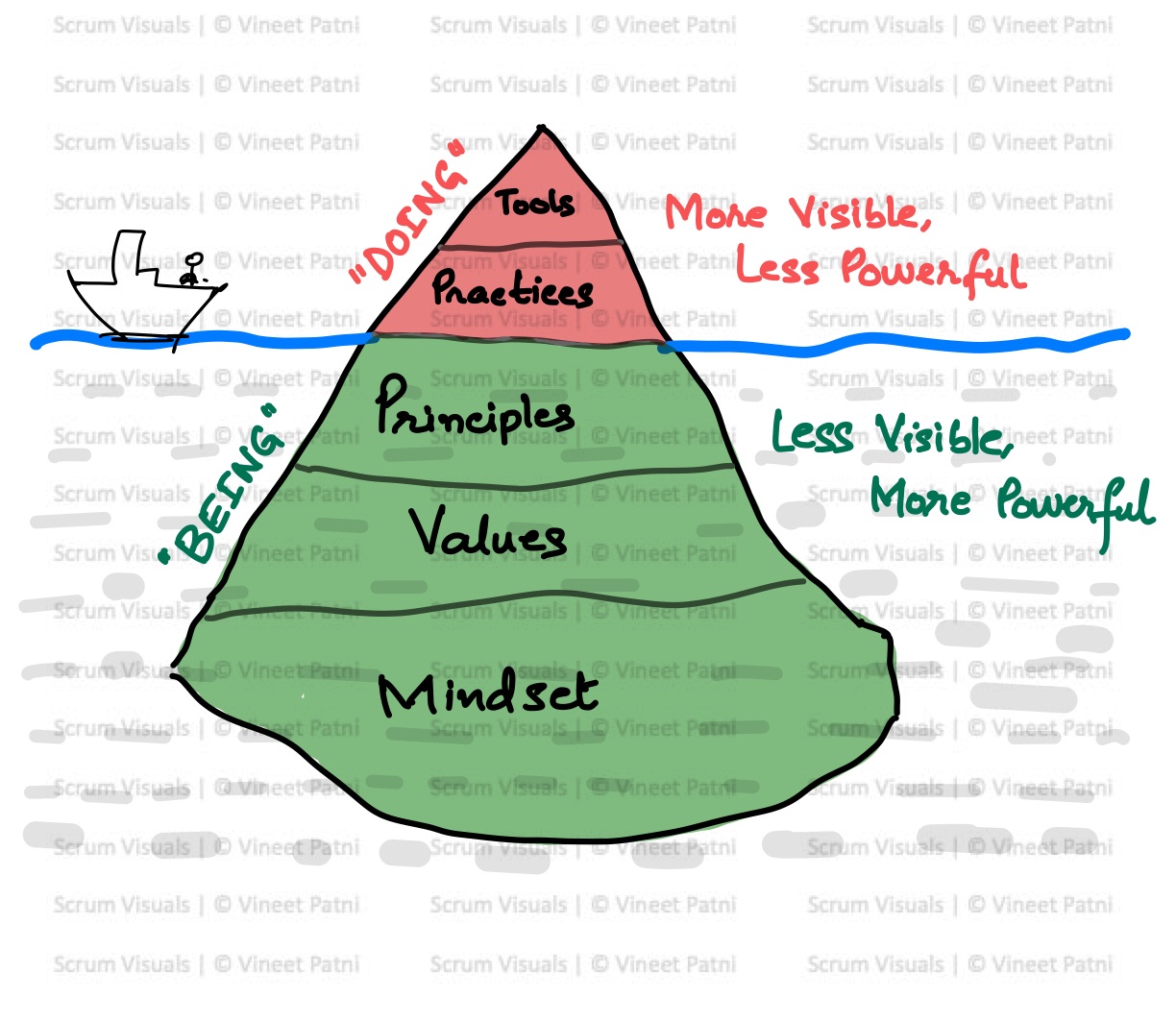
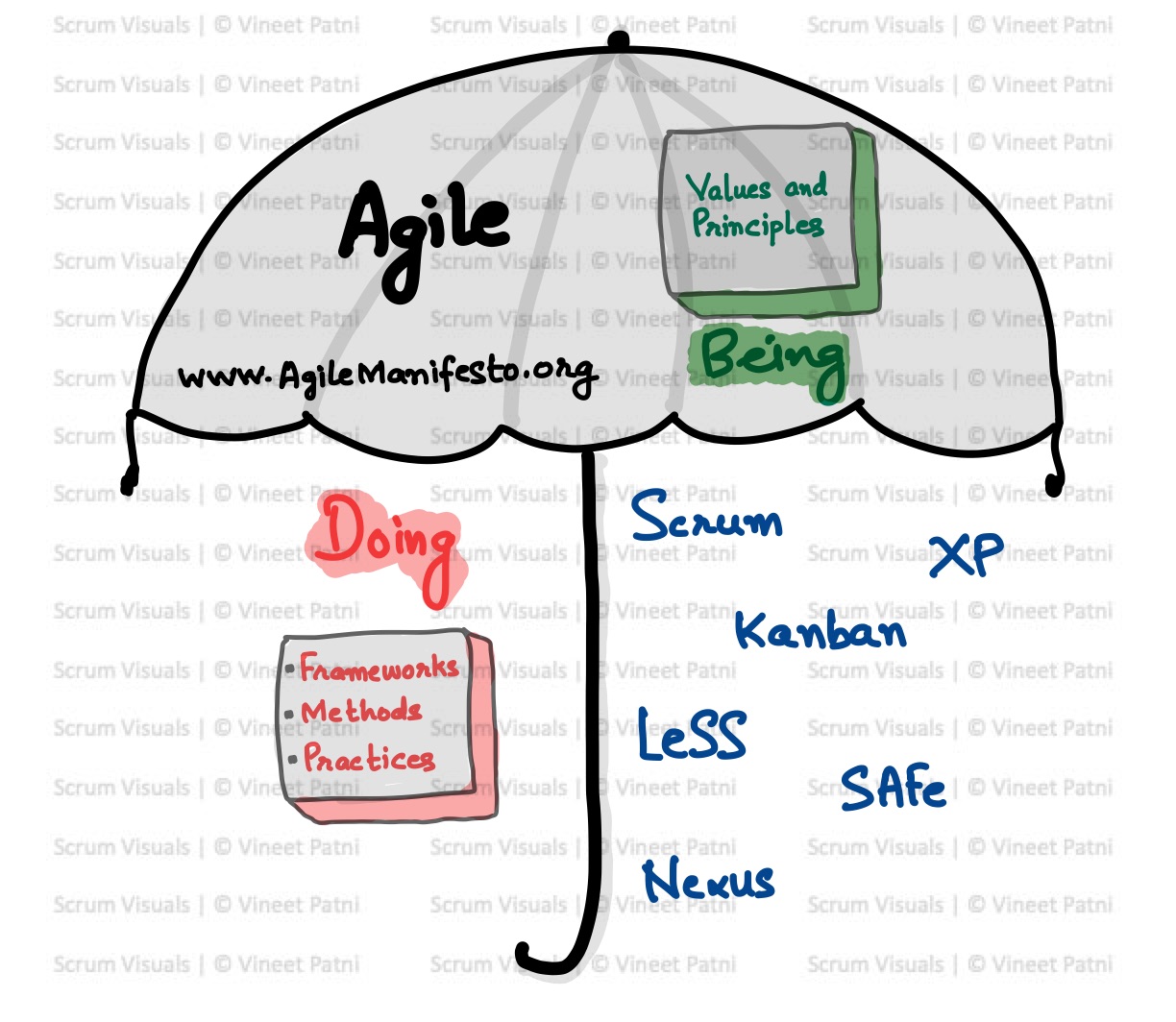
Agile is a natural match for OCM because change initiatives resemble complex projects requiring iterative planning, execution, and measurement. By treating change as a product, Agile principles can guide successful transformation.
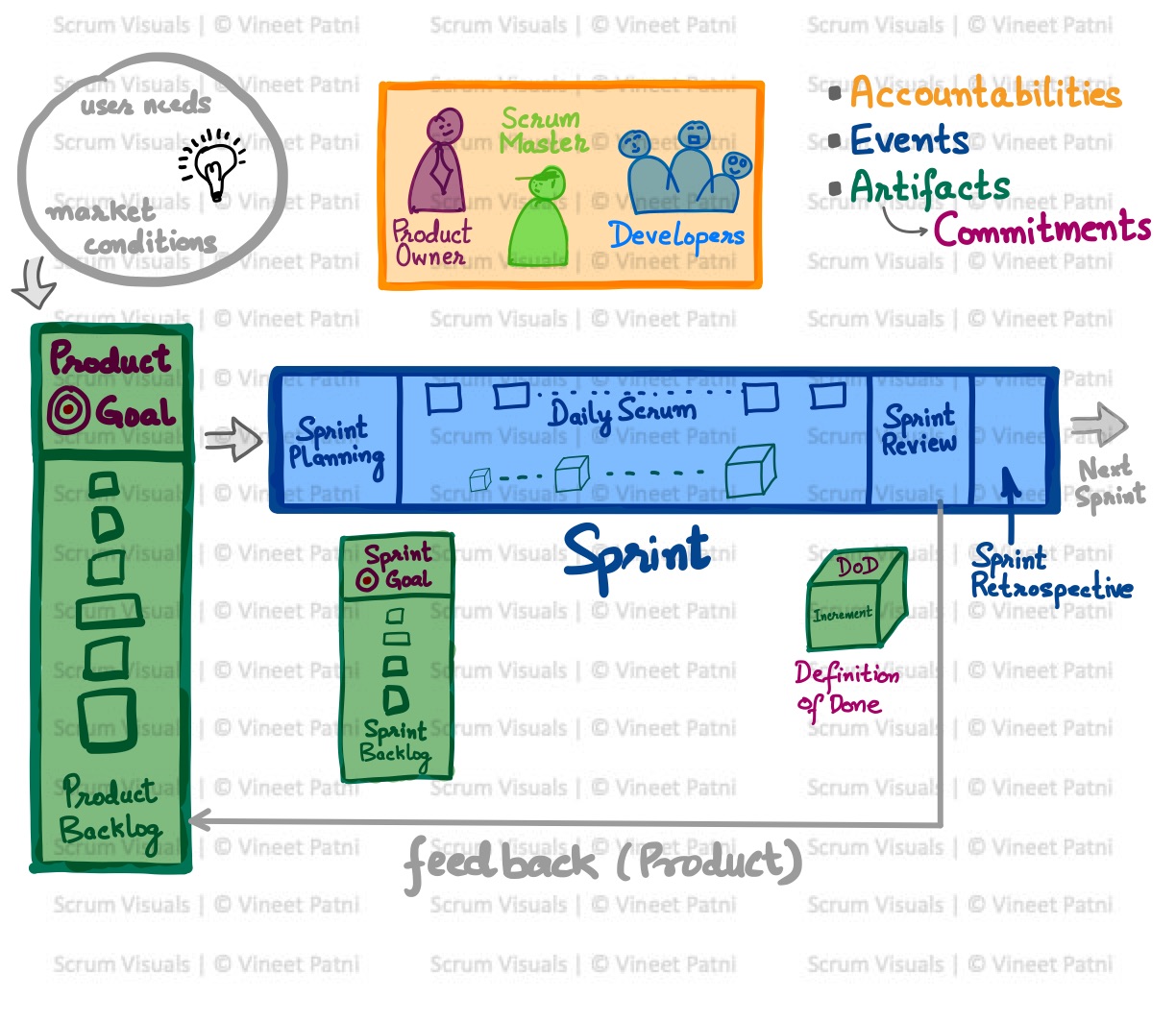
Applying Scrum to OCM
- Define the “product” as change—clarify who is affected, why it’s needed, and the expected benefits.
- Engage organization-wide stakeholders to create user stories that represent specific changes, focused on the people impacted.
- Build a public improvement backlog to ensure transparency and incremental delivery of change.
- Use retrospectives to gather feedback, track adoption, and measure the success of each iteration.
Using Kanban for Incremental Change
While Scrum provides structure for long-term planning, Kanban helps track tasks within each sprint. For example, in an employee appraisal system rollout after a company merger, Kanban can track progress against clear benchmarks (e.g., achieving a defined employee satisfaction score).
The Scrum Master plays a critical role in ensuring logical boundaries for each stage of change are accepted and adapted in real time. With experience and trust-building, change becomes smoother and more accepted.
Final Word
In today’s disruptive business environment, innovation is constant—and with it comes change. Agile isn’t just a tool to implement change; it’s also a strategy for driving adaptability, transparency, and continuous improvement.
Well-designed OCM initiatives thrive on openness, inspection, and adaptation—the very principles that Agile is built upon. That makes Agile and OCM a perfect partnership for organizations aiming to transform and thrive.
Upcoming Trainings
← Scroll to see more →
Related Posts


Hierarchy in Agile: Do We Really Need It?
Dec-29-2025