Will AI Replace Scrum Masters or Make Them More Valuable?
Artificial Intelligence (AI) is transforming how Scrum teams plan, collaborate, and deliver work. From automated Sprint reports to AI-generated Sprint Retrospectives, the question is becoming unavoidable:
“Will AI replace Scrum Masters?”
The short answer: No.
The long answer: AI will change the Scrum Master role—but it won’t eliminate it.
Let’s explore why.
The Fear Behind the Question
This concern usually comes from how fast AI is:
- Automating reporting
- Analyzing velocity and trends
- Generating insights from data
- Suggesting backlog improvements
At first glance, many of these tasks look like Scrum Master responsibilities. But here’s the key misunderstanding:
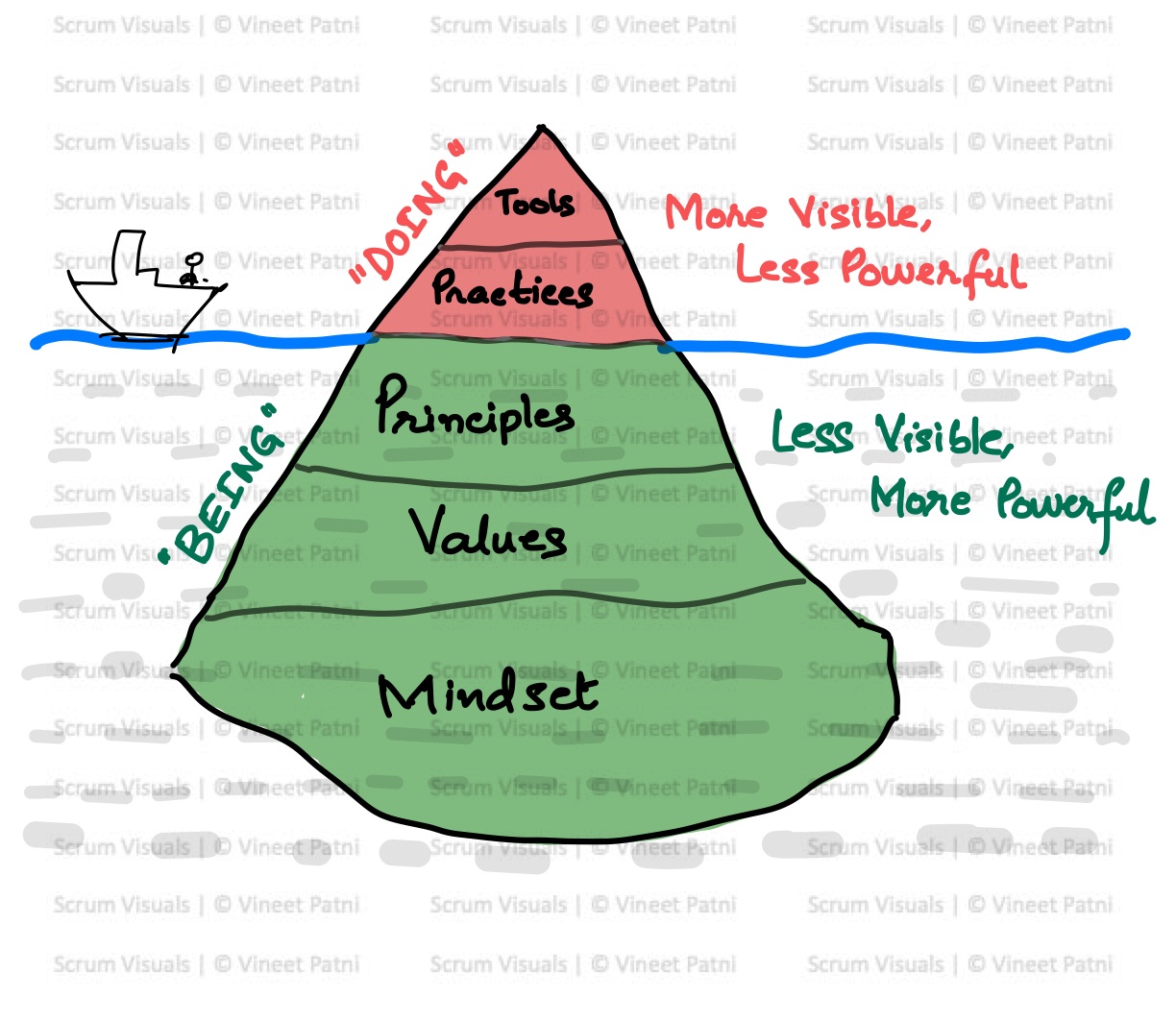
Scrum Masters are not process administrators.
They are people leaders, coaches, and change agents.
And that’s where AI falls short.
What AI Can Do for Scrum Masters
AI is excellent at handling mechanical and analytical tasks, such as:
- Generating Sprint metrics and dashboards
- Identifying bottlenecks in workflow
- Predicting delivery risks using historical data
- Assisting with Product Backlog refinement suggestions
- Automating meeting notes and summaries
These capabilities don’t replace Scrum Masters—they free them up.
AI removes the busy work so Scrum Masters can focus on what truly matters – the team and the larger Organization.
What AI Cannot Replace
Scrum Masters operate in the human system of work. And that’s where AI has limits.
1️⃣ Servant Leadership
AI cannot:
- Build trust
- Inspire teams
- Create psychological safety
- Navigate emotions during conflict
Leadership is contextual, emotional, and deeply human.
2️⃣ Coaching and Mentoring
Coaching is not about answers—it’s about asking the right questions at the right moment.
AI can suggest best practices, but it cannot:
- Sense team morale
- Adapt coaching style to individual personalities
- Read between the lines in tough conversations
3️⃣ Organizational Change
Scrum Masters play a critical role beyond the team as the organizational Change maker:
- Challenging traditional hierarchies
- Influencing leadership behaviors
- Driving Agile mindset shifts
- Addressing systemic impediments
AI can analyze patterns—but change requires courage, negotiation, and empathy.
4️⃣ Facilitation of Complex Human Interactions
Facilitating Sprint Retrospectives, conflict resolution, or stakeholder alignment is not about scripts—it’s about:
- Timing
- Tone
- Trust
- Context
AI lacks situational awareness and emotional intelligence at this depth.
The Real Risk: Scrum Masters Who Don’t Evolve
AI won’t replace Scrum Masters.
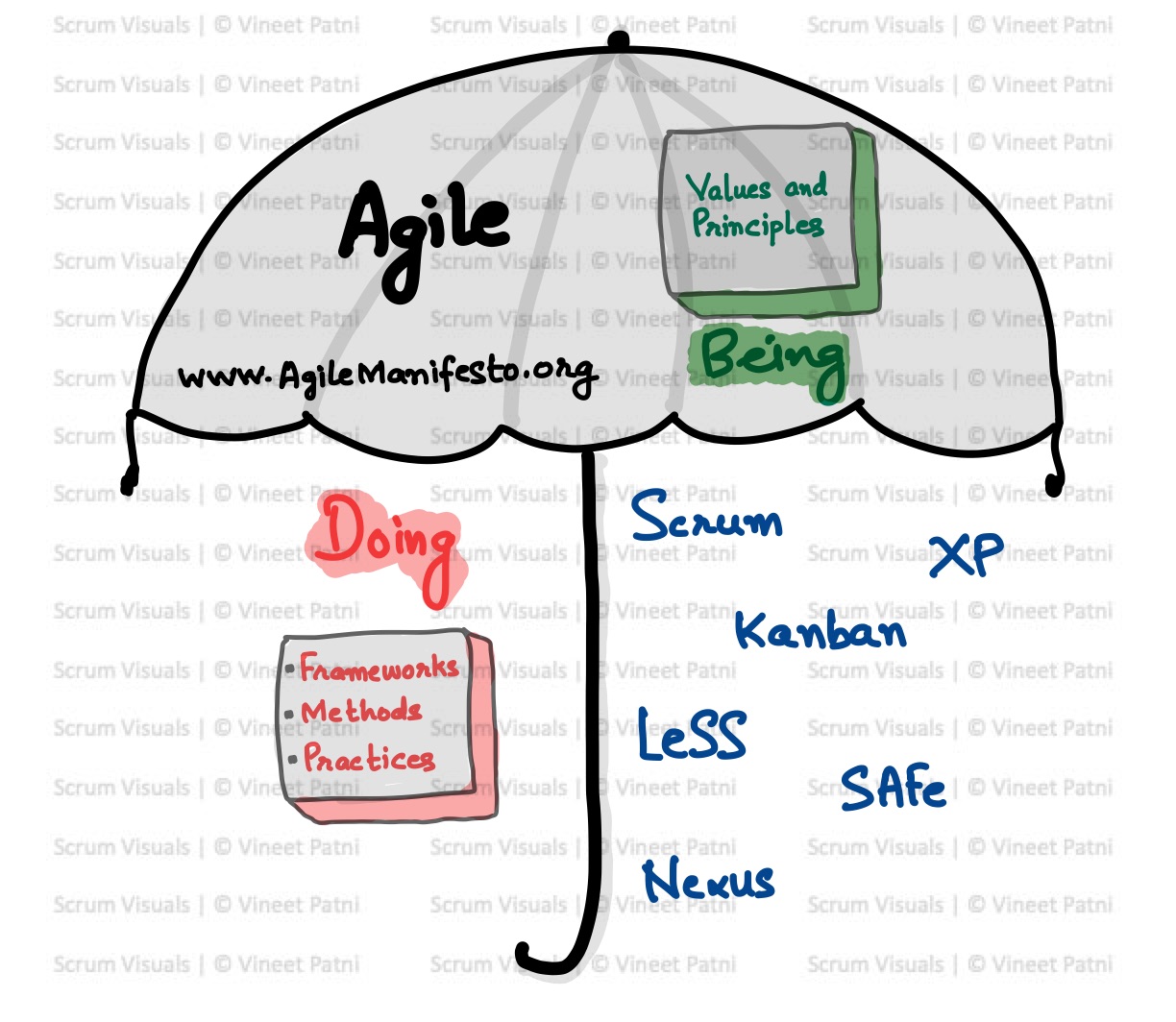
👉 Scrum Masters who remain limited to ceremonies and reports may become irrelevant.
The role is already evolving:
- From meeting facilitator → team coach
- From process enforcer → value enabler
- From team-level support → organizational influencer
Scrum Masters who fail to grow beyond frameworks are at risk—not because of AI, but because of stagnation.
The Future: AI-Augmented Scrum Masters
The most successful Scrum Masters will:
- Use AI for insights, not decisions
- Leverage data to support coaching conversations
- Automate low-value tasks
- Focus on leadership, culture, and people
Think of AI as:
🧠 An assistant, not a replacement
🤝 A partner, not a competitor
What Skills Will Matter More Than Ever?
To stay relevant, Scrum Masters should deepen:
- Coaching and facilitation skills
- Systems thinking
- Organizational change management
- Leadership and influence
- Emotional intelligence
- Business and product understanding
Ironically, the more AI advances, the more human the Scrum Master role becomes.
Final Verdict
AI will not replace Scrum Masters.
But it will expose weak Scrum Masters.
Those who:
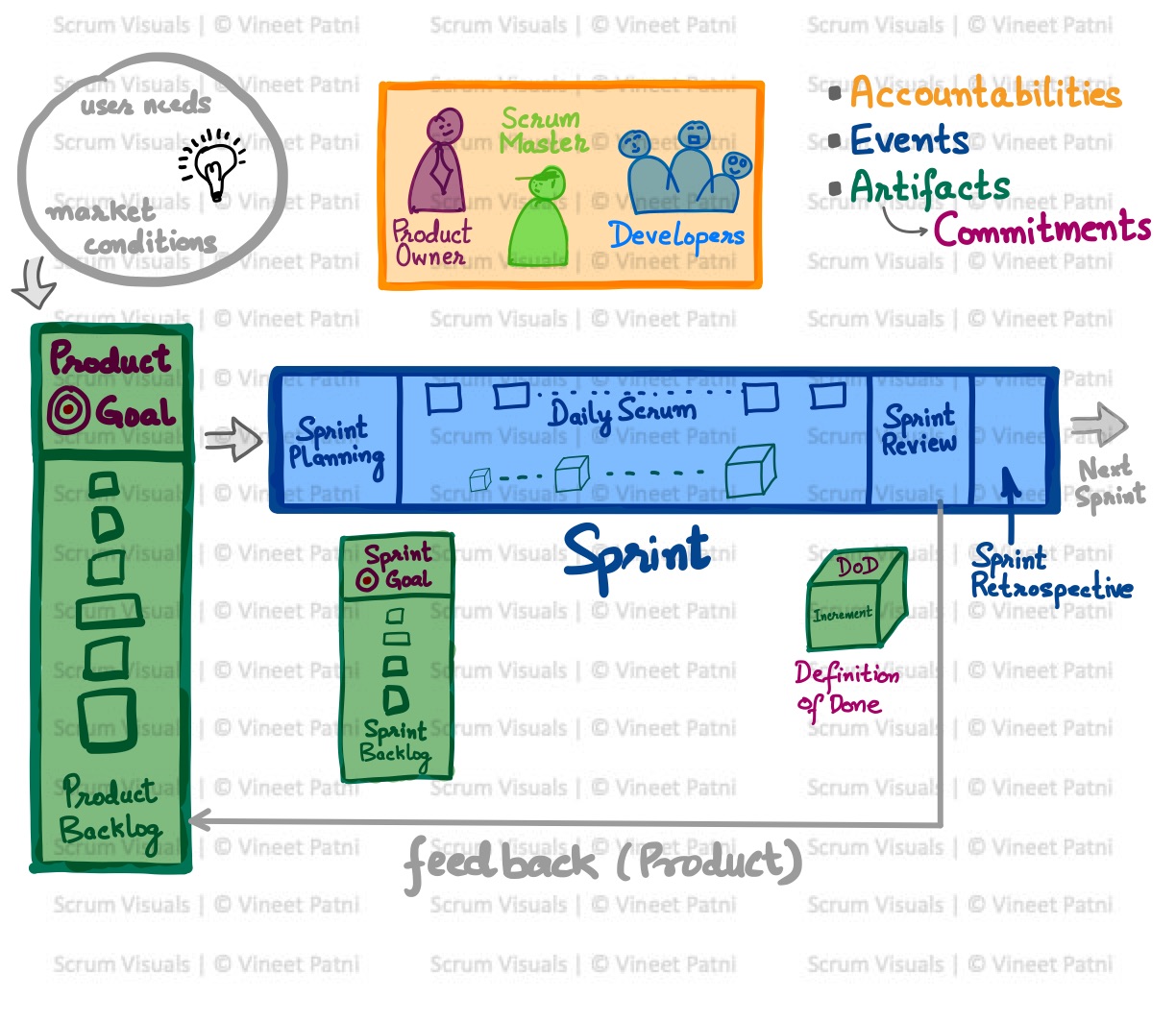
- Focus only on tools and events
- Avoid leadership conversations
- Don’t challenge the status quo
…will struggle.
Those who:
- Embrace AI
- Strengthen human skills
- Lead change with empathy and courage
…will become more valuable than ever.
The real question is not:
❌ Will AI replace Scrum Masters?
The real question is:
✅ Are Scrum Masters ready to evolve with AI?
To know more about How can AI be used by Scrum Master join our training – AI for Scrum Masters.
Upcoming Trainings



← Scroll to see more →
Related Posts


Hierarchy in Agile: Do We Really Need It?
Dec-29-2025