Adopting Scrum Values: Building High-Performing Agile Teams
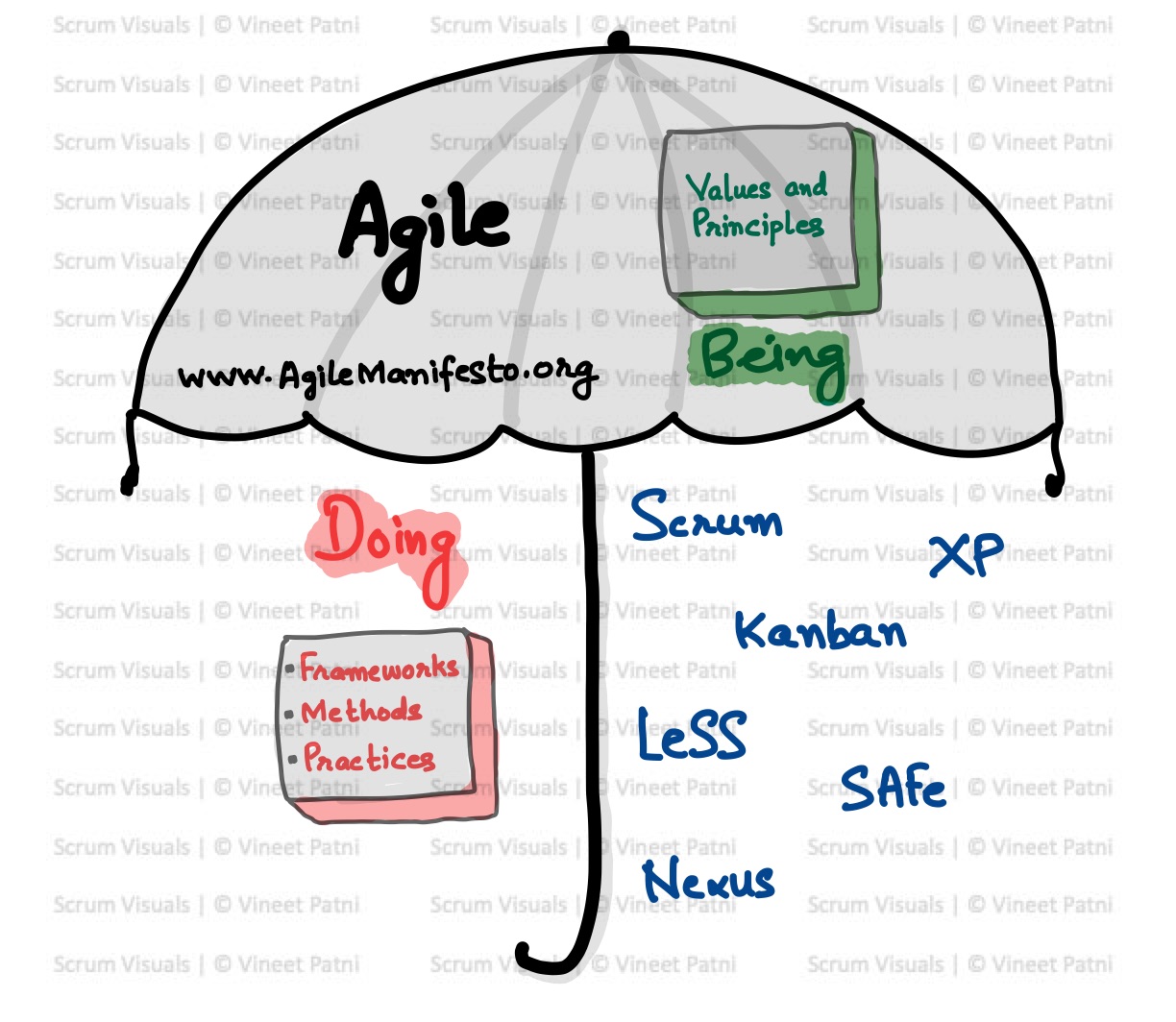
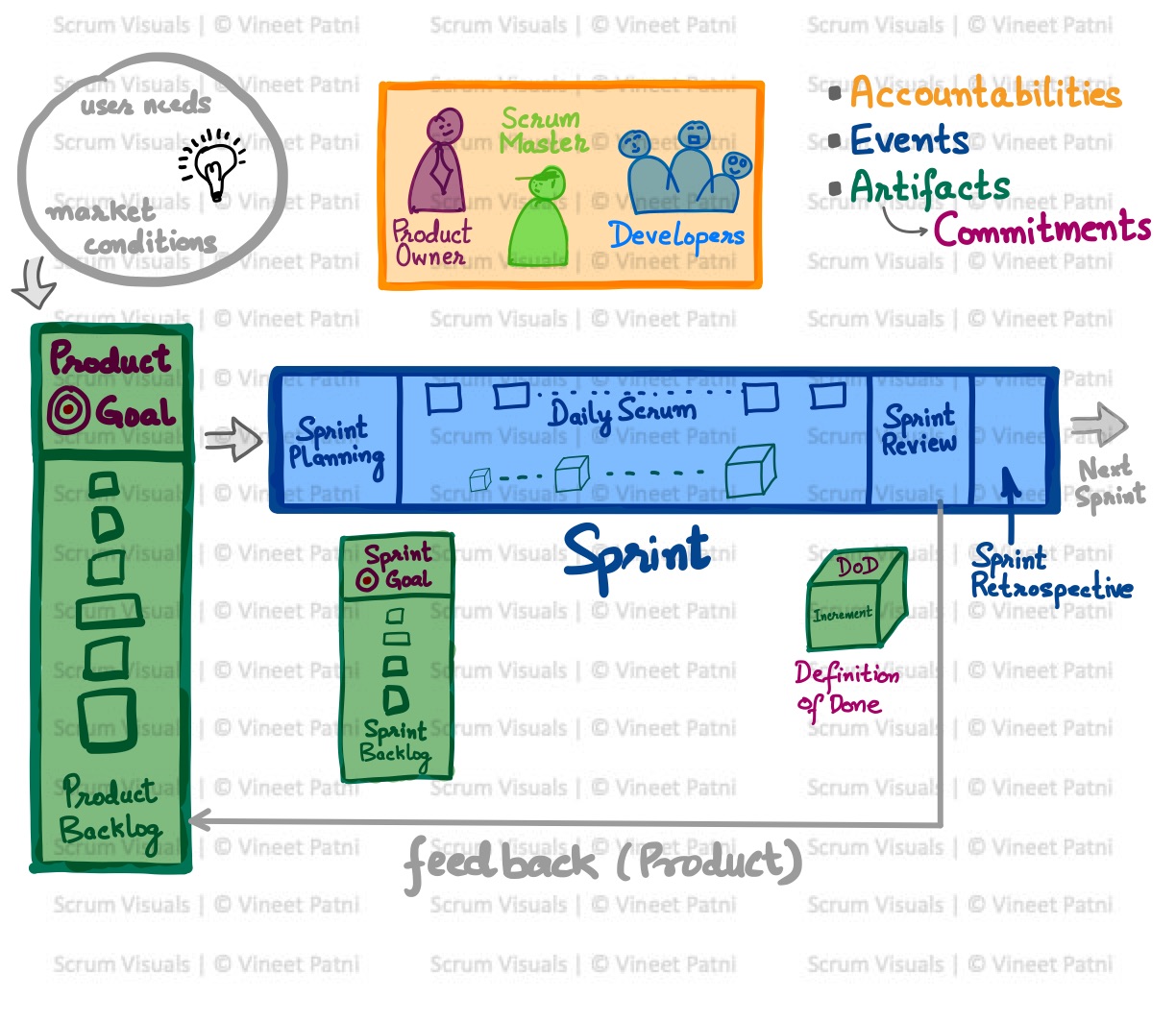
Scrum is one of the most popular Agile frameworks, designed to help teams tackle complex product development. Originally rooted in the software industry, Scrum is now widely adopted across domains—from IT to marketing, product design, and even HR. Its strength lies in adaptability: teams can adjust quickly as projects evolve, ensuring faster delivery of value.
At the heart of Scrum are its five core values: commitment, focus, openness, courage, and respect. These values guide every Sprint, meeting, and decision a Scrum Team makes. Without embracing these values, Scrum is just another process—when lived fully, they form the foundation of a truly Agile culture.
The Five Scrum Values Explained
- Commitment – Every team member commits to achieving their Sprint Goal and delivering value. This creates accountability and a sense of ownership.
- Focus – Scrum promotes working on fewer things at a time, helping teams achieve better results without distractions.
- Openness – Transparency in progress, challenges, and decisions ensures trust and collaboration.
- Courage – Teams need the courage to experiment, innovate, and address challenges directly.
- Respect – Every role in Scrum (Scrum Master, Product Owner, Developers) is equally important, and mutual respect strengthens collaboration.
When a team truly embodies these values, productivity increases, and customer satisfaction grows.
What is a Working Agreement?
A working agreement is a set of ground rules that define how a Scrum Team collaborates. It ensures alignment, discipline, and self-management. Examples include:
- How Daily Scrums should be conducted.
- Communication norms (e.g., response times on messages).
- Definition of Done and coding standards.
- Guidelines for decision-making and resolving conflicts.
By creating and following working agreements, teams cultivate trust, reduce friction, and operate more efficiently.
How to Promote Scrum Values Within a Team
1. Empirical Process Control
Scrum relies on transparency, inspection, and adaptation. Instead of rigid upfront plans, decisions are based on evidence and continuous learning.
2. Self-Organization
Micromanagement kills creativity. Scrum empowers teams to self-organize, encouraging ownership and innovation. A self-managed team takes initiative, adapts quickly, and delivers better outcomes.
3. Collaboration
Scrum emphasizes awareness, open communication, and joint problem-solving. Value is created through effective teamwork and collective ownership of outcomes.
4. Value-Based Sequencing
Backlog items are ordered not by convenience but by value to customers and business goals. This ensures maximum impact with minimal waste.
5. Time-Boxing
Time is finite—Scrum uses fixed timeframes for events (like Sprints, Reviews, and Retrospectives) to drive focus, efficiency, and accountability.
Why Scrum Values Matter Beyond Scrum
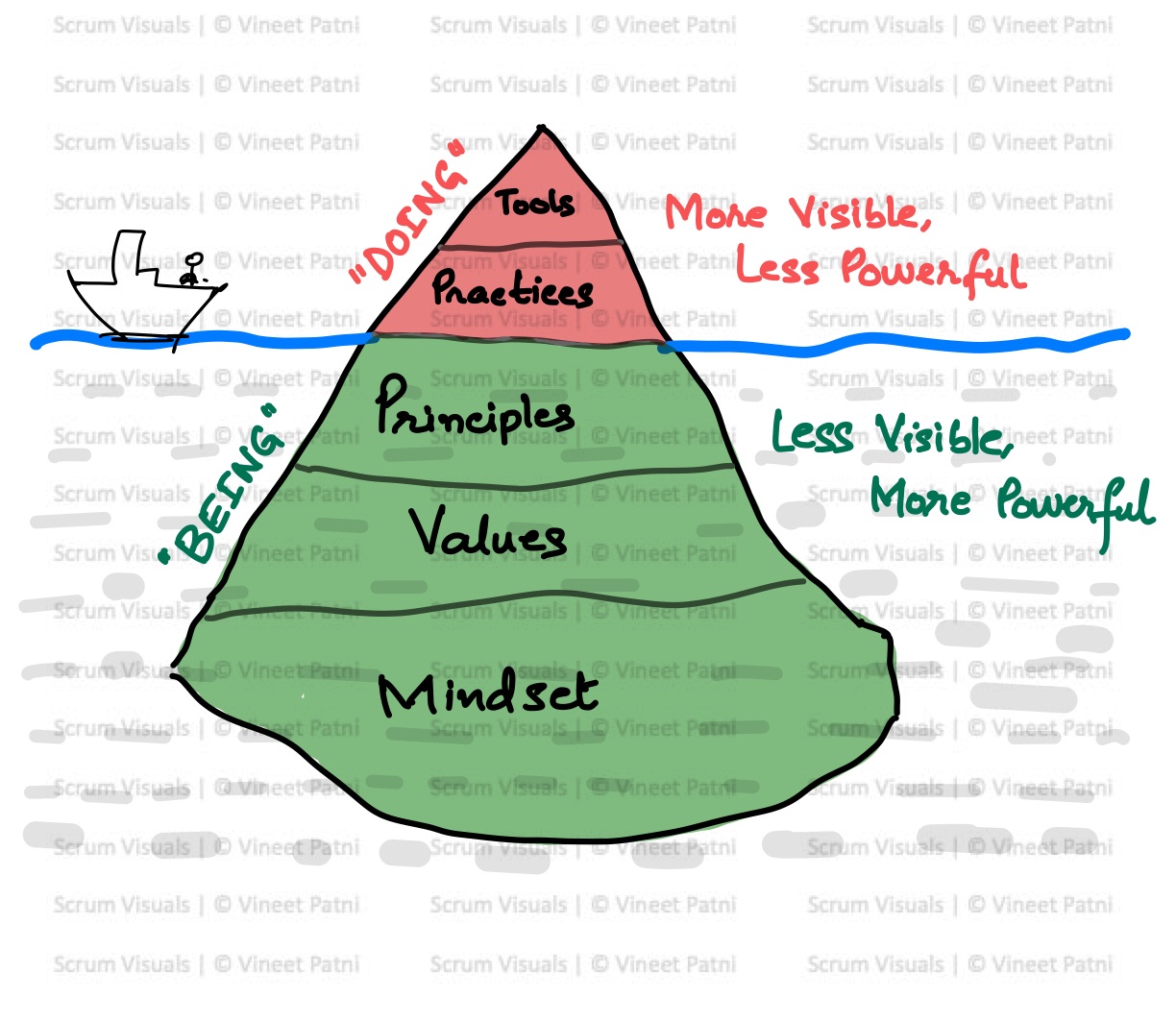
Even if your team doesn’t formally adopt Scrum, its values and practices can transform collaboration. Using short, time-boxed cycles (Sprints) enables faster delivery and quicker feedback. Regular reflection on progress promotes continuous improvement. And most importantly, embedding the five Scrum values creates a positive, growth-oriented work culture.
Conclusion
Scrum is more than a framework—it’s a mindset powered by its values. When teams commit to focus, openness, courage, commitment, and respect, they unlock higher performance and adaptability. Whether you fully adopt Scrum or just borrow its principles, embracing these values will lead to stronger collaboration, improved delivery, and greater customer satisfaction.
📺 Watch this short video to dive deeper:Adopting Scrum Values – ScaleUp Consultants
Upcoming Trainings





← Scroll to see more →
Related Posts