Millennials and Agility: How the New Generation is Shaping the Future of Work
Introduction
Millennials are often called the “Agile Generation”—quick to adapt, open to change, and driven by collaboration. Unlike Gen X, who placed high value on status, resources, and recognition, Millennials thrive on simplicity, flexibility, and meaningful work. With organizations competing fiercely to attract and retain top talent, agility has become a natural fit for this generation’s mindset.
This blog explores how agility is built into the behavior of Millennials, how they collaborate and work in organizations, and what the future of leadership looks like with Millennials at the helm.
Why Millennials Reflect Agility by Nature
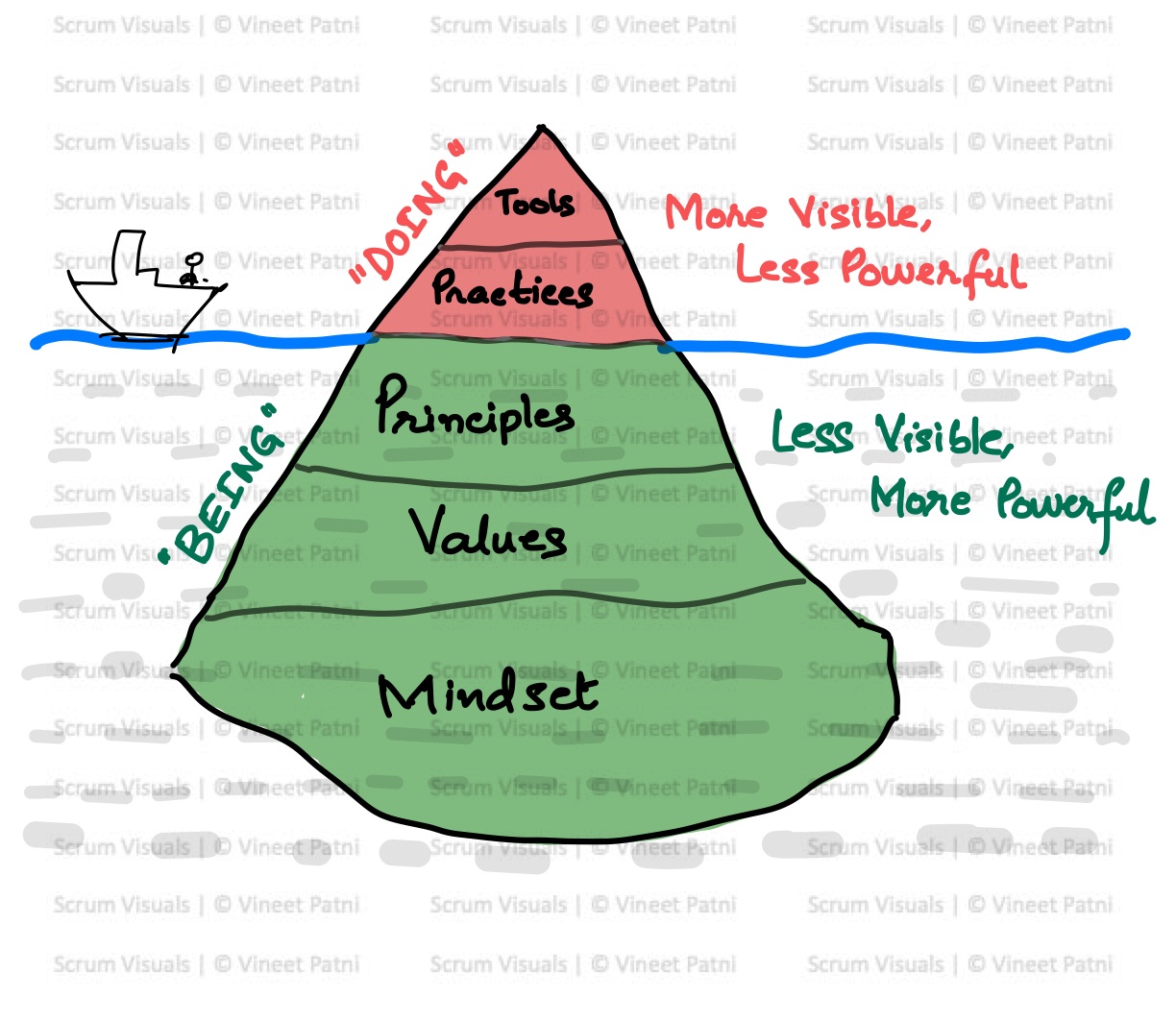
Millennials have grown up in a world shaped by rapid technological shifts, a changing education system, and a culture of independence. Their characteristics align closely with agile values and principles:
- Value simplicity over complexity
- Prioritize work-life balance
- Demand respect for their work
- Seek tech-driven opportunities
- Adapt quickly to change
- Enjoy challenges and risk-taking
- Prefer multitasking and collaboration
- Thrive in like-minded communities
- Need constant growth and change
These traits make them natural innovators and quick adapters—qualities at the heart of Agile.
Agile Principles and the Millennial Mindset
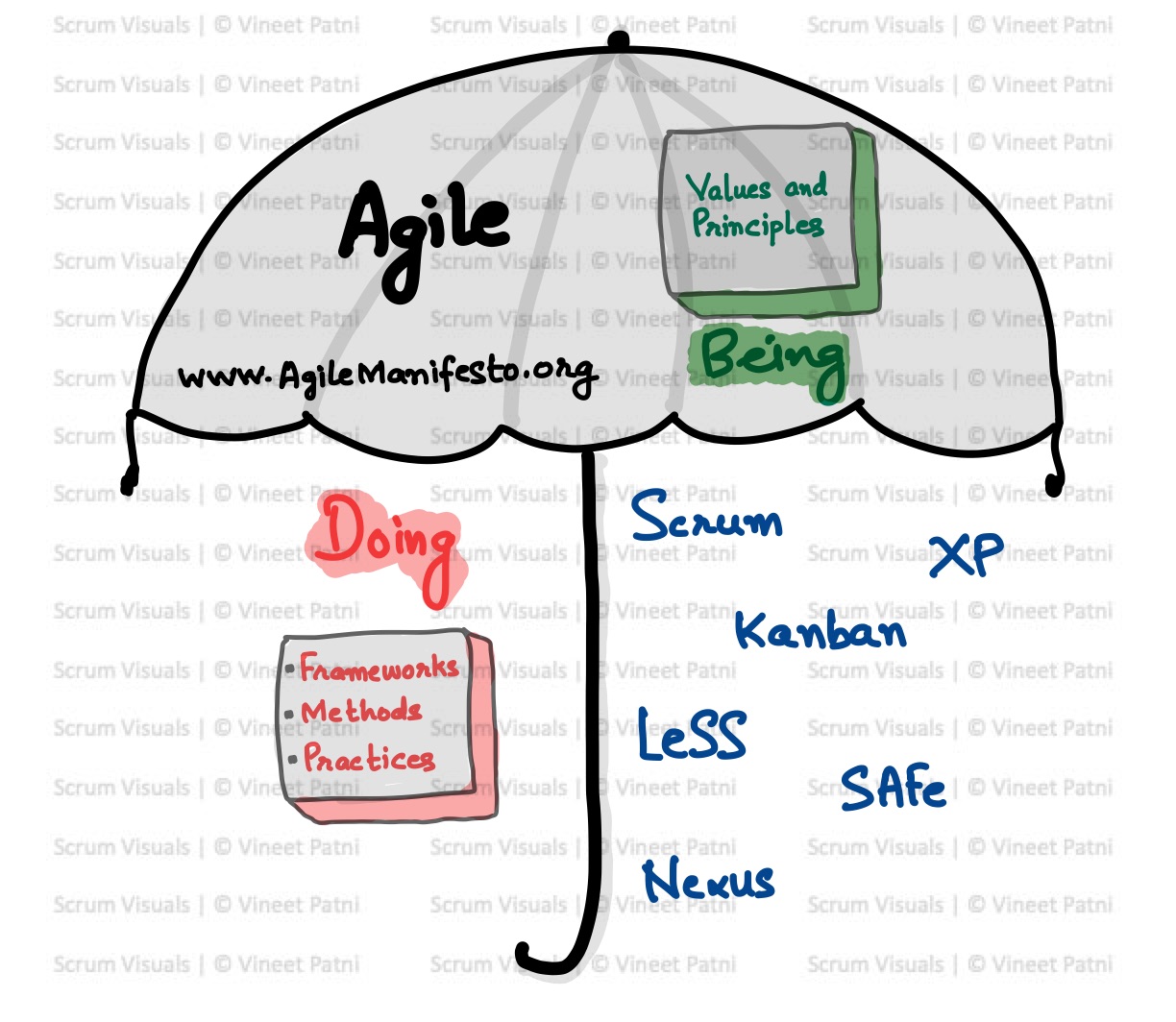
The Agile Manifesto laid down four key principles:
- Individuals and interactions over processes and tools
- Working solutions over comprehensive documentation
- Customer collaboration over contract negotiation
- Responding to change over following a plan
Interestingly, these principles resonate deeply with Millennials. They hate rigid processes, value collaboration, and demand flexibility to adapt quickly. Their drive for purpose, autonomy, and mastery aligns with what Agile fosters in organizations.
Millennials in Customer Collaboration and Negotiation
When it comes to customer collaboration and contract negotiation, Millennials display a distinctly agile mindset:
- They respond quickly to feedback and expect the same in return.
- They prefer convenience and may overlook contracts if collaboration feels smoother.
- They dislike rigid processes and can lose interest easily.
- They expect growth opportunities and new challenges from every collaboration.
This generation, being founders of many start-ups, thrives in B2B and B2C models where customer engagement is central to success.
Millennials at Work: Collaboration Over Competition
Organizations with a majority of Millennials often notice these workplace behaviors:
- Collaborative over competitive: They enjoy co-creation rather than rivalry.
- Focus on outcomes: They care about results, not rigid processes.
- Expertise-driven pay: They prefer salaries based on skills, not hierarchy.
- Flat structures: They value autonomy and dislike micromanagement.
- Technology-first approach: Many full-stack developers belong to this age group.
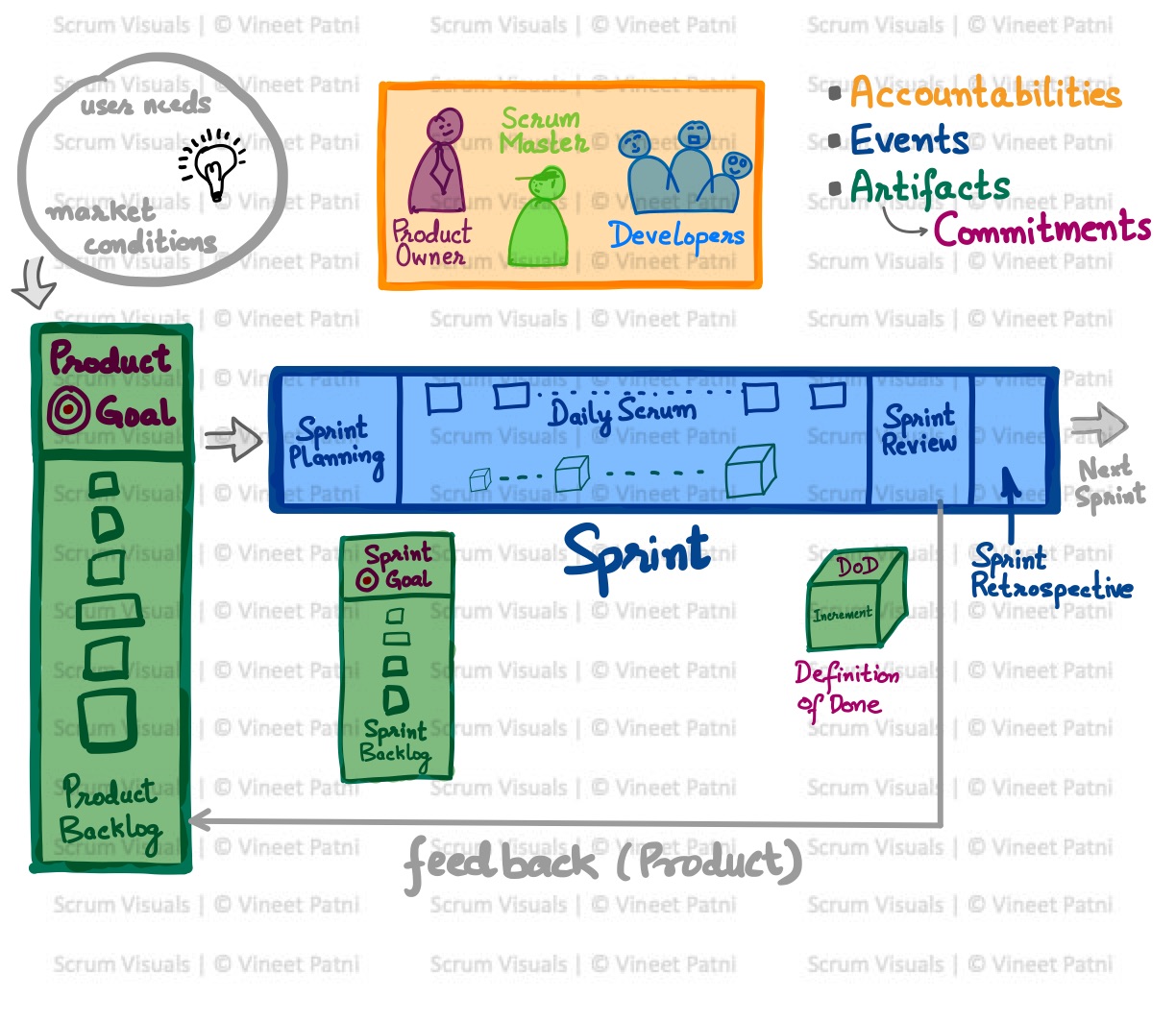
Agile methodologies support this mindset with iterative work, timeboxing, and visible progress tracking. By breaking projects into smaller deliverables, organizations help Millennials see quick results—feeding their need for fast gratification and motivation.
The Leadership of Tomorrow: Millennial Executives
Millennials are not just shaping today’s organizations—they are the leaders of tomorrow. But their leadership style is expected to be different from traditional command-and-control models.
- They require constant motivation beyond heavy paychecks.
- They prefer shared vision and collaboration over top-down decision-making.
- They see themselves as executors and doers, not just leaders.
- They prioritize impact, innovation, and inclusion in leadership roles.
Future organizations will likely have leaner human resource structures, with AI performing repetitive tasks and Millennials driving execution, creativity, and strategic thinking.
Conclusion
Millennials bring agility not as a learned skill but as a natural trait. Their emphasis on collaboration, adaptability, and purpose-driven work makes them a perfect match for Agile principles. As organizations evolve, the combination of Millennial agility and Agile methodologies will shape workplaces that are innovative, flexible, and future-ready.
The future of work is not just Agile—it is Millennial Agile.
Upcoming Trainings






← Scroll to see more →
Related Posts