Introduction
Agile has evolved from being a lightweight software development approach to becoming the foundation of modern enterprise transformation. Much like the design of an airplane wing, which relies on balance and scaling to generate lift, organizations must carefully scale Agile to rise and sustain performance. While small teams can thrive with basic Scrum practices, scaling Agile across multiple teams or large enterprises requires structure, culture, and discipline.
This blog explores why scaling is needed, common reasons it fails, challenges enterprises face, and the steps that make scaling Agile successful.
Why Do We Need Scaling in Agile?
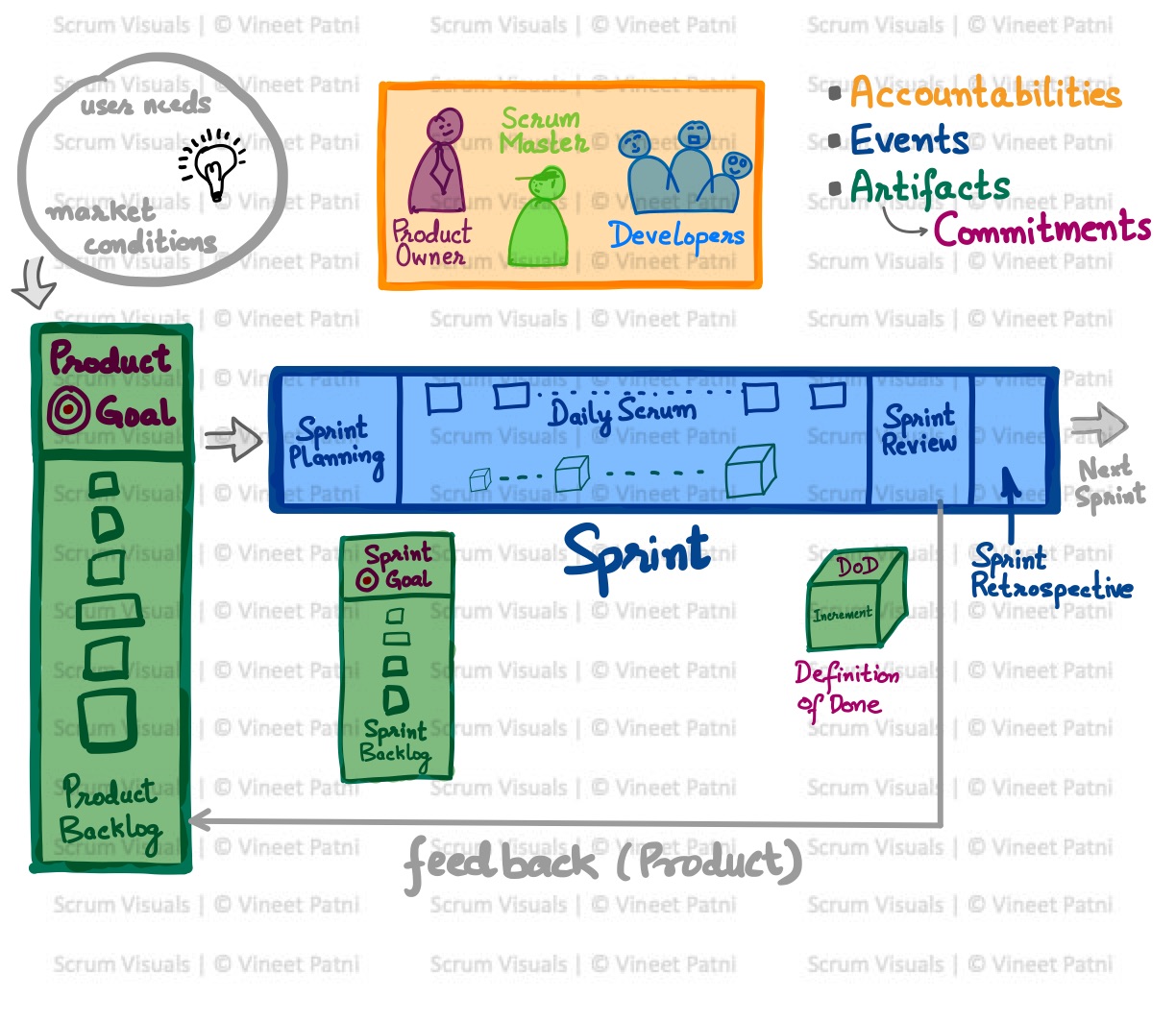
Agile at a small-team level often works seamlessly. Daily Scrums, Product Backlog refinement, and customer collaboration are enough to deliver incremental value. But as organizations grow:
- Multiple teams need coordination.
- Product complexity increases.
- Faster time-to-market becomes critical.
- Customer expectations evolve.
Scaling Agile provides the framework to:
- Boost productivity and efficiency.
- Reduce time-to-market.
- Create faster feedback loops.
- Improve customer satisfaction.
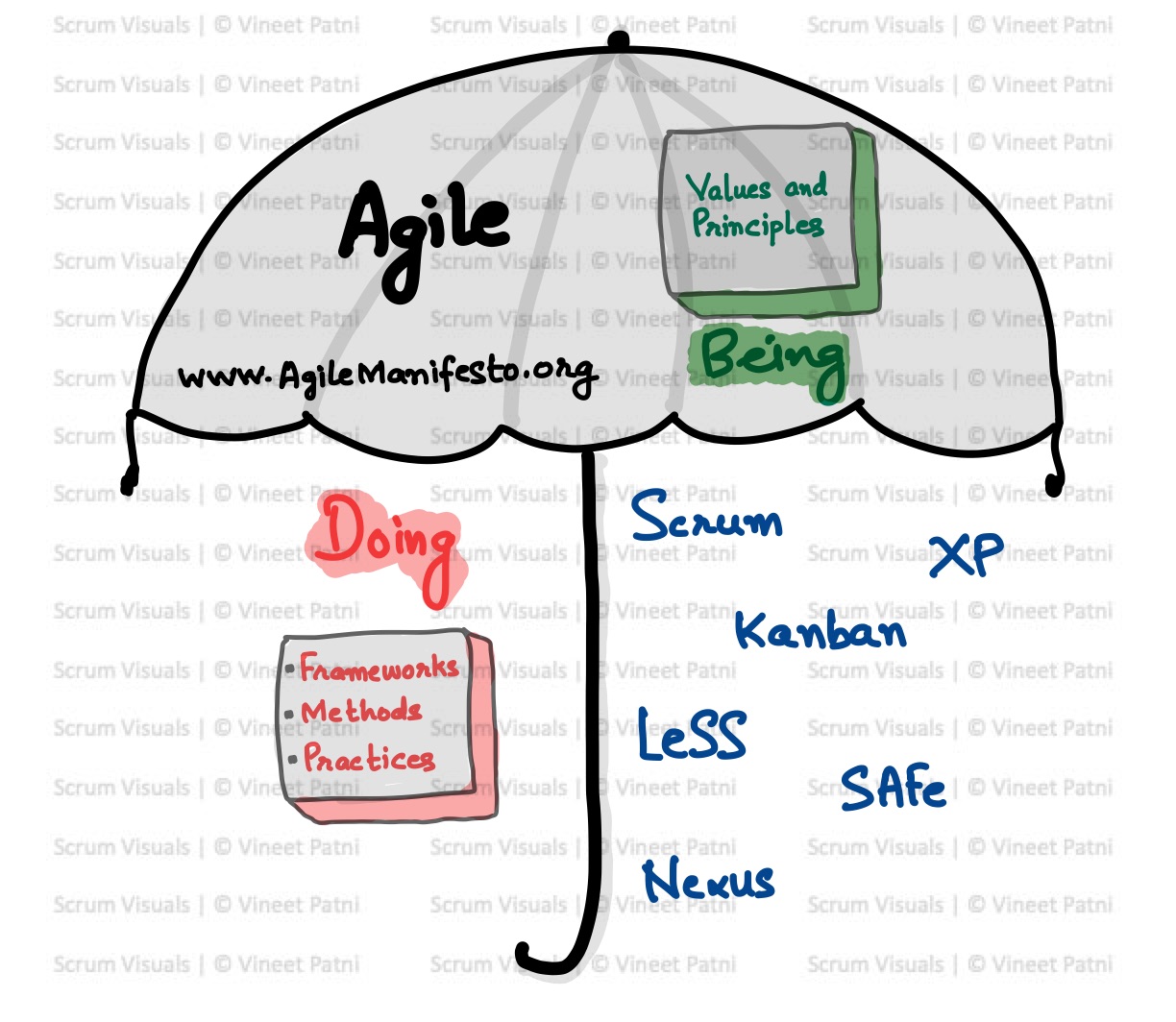
Frameworks like SAFe, LeSS, or Scrum@Scale are often adopted to handle this complexity while maintaining agility across functions.
Why Agile is More Than a Process
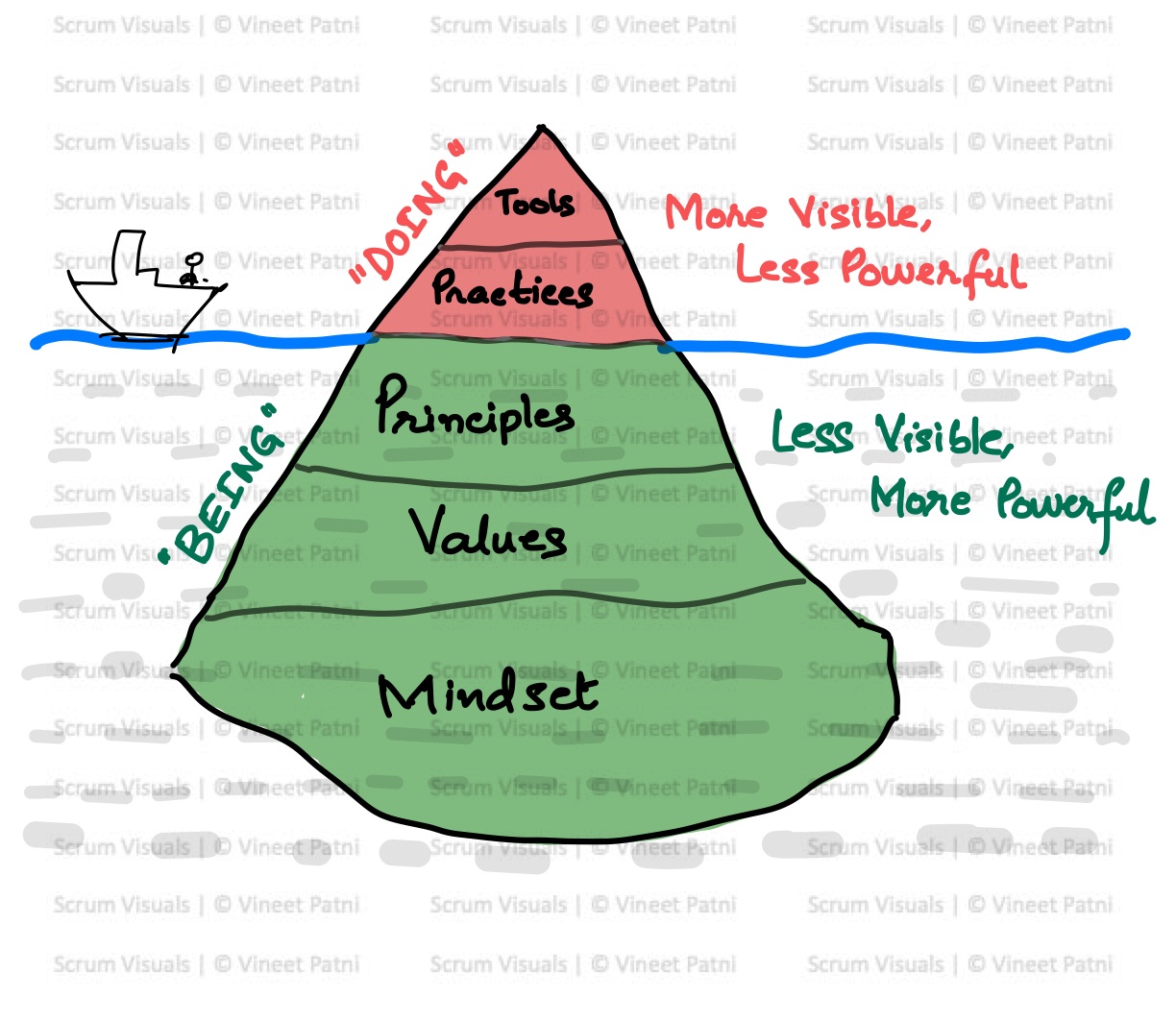
Agile is not something you “do” or “buy”; it is something you become.
The essence of Agile lies in:
- Detecting changes in the environment.
- Adapting dynamically through innovation and experimentation.
- Delivering customer value early and often.
- Building self-organizing, cross-functional teams.
High-performing organizations recognize that agility is a mindset. Tools and frameworks can support the process, but without the right culture and leadership, scaling efforts stall.
Why Agile Scaling Fails
Despite the benefits, many companies struggle with scaling. Common causes include:
- Top-down control: Traditional command-and-control structures clash with Agile values of empowerment and autonomy.
- Copy-paste practices: What works for one team may not work for another; forcing uniformity kills agility.
- Functional silos: Scaling within silos reinforces separation instead of encouraging cross-functional collaboration.
- Over-focus on tools: Agile is about mindset, not tools. Prioritizing software over collaboration hinders real agility.
- Lack of transparency: Without shared understanding and trust, scaling becomes fragmented.
- Poor preparation: Teams that don’t understand the principles of Agile often fail when scaling across enterprises.
- Complacency: Treating Agile as a checkbox rather than a cultural shift prevents continuous improvement.
Challenges Enterprises Face While Scaling Agile
- Clarity and trust: Without transparency, teamwork collapses.
- Rule misinterpretation: Teams following their own versions of Agile rules create misalignment.
- Cultural resistance: Established hierarchies and processes often resist the flexibility Agile demands.
- Burnout and complacency: Teams stuck in routine fail to adapt or innovate.
How to Establish Efficient Scaling in Agile Enterprises
- Start with an MVP (Minimum Viable Product)
Adopt a Continuous Delivery approach. Delivering an MVP ensures rapid feedback, avoids wasted engineering time, and validates assumptions early. - Foster a Collaborative Culture
Encourage joint sessions between product owners, developers, and testers. This promotes diverse perspectives, faster feedback, and stronger alignment on business goals. - Encourage Cross-Functional Teams
Avoid functional silos. Build teams that can own features end-to-end—from ideation to deployment. - Adopt Incremental Scaling
Scaling should be gradual. Start small, refine, and expand. Like climbing, stepwise scaling is more sustainable than sudden leaps. - Invest in Agile Coaching
Many companies focus on coaching teams but neglect technical excellence. Agile coaches who strengthen development practices (code quality, automation, DevOps) are critical for sustainable scaling.
Conclusion
Scaling Agile is both a challenge and a necessity for modern enterprises. While small teams thrive naturally in Agile, larger organizations often stumble due to cultural resistance, over-reliance on tools, or lack of preparation. The key is to view Agile as a mindset, not just a methodology.
With MVP-driven delivery, collaborative culture, cross-functional teams, and strong Agile coaching, enterprises can overcome scaling challenges and unlock the full potential of agility.
Scaling Agile is not about enforcing a framework—it’s about creating the conditions for teams to innovate, collaborate, and deliver value at scale.
Upcoming Trainings








← Scroll to see more →
Related Posts