The Ultimate Kanban Guide: Workflow, Metrics, Boards & Common Mistakes
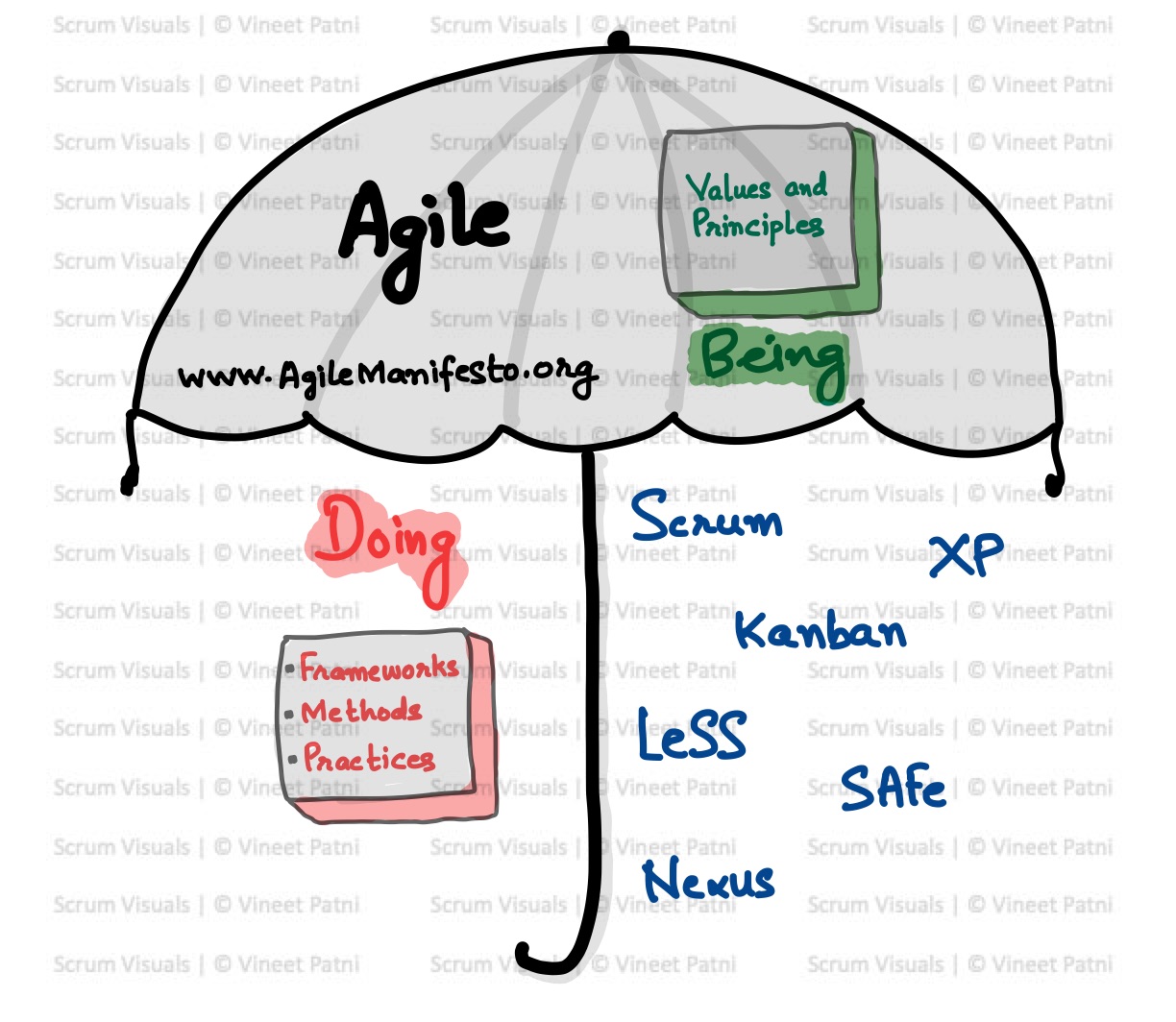
In today’s fast-paced digital world, organizations constantly seek ways to deliver faster, improve efficiency, and adapt to changing customer needs. Among the various Agile frameworks available, Kanban stands out for its simplicity, flexibility, and focus on continuous improvement.
Originally inspired by Toyota’s manufacturing system, Kanban has evolved into a powerful tool used across industries — from software development and IT to marketing, HR, and even personal productivity.
What is Kanban?
The word “Kanban” comes from Japanese, meaning “visual signal” or “card.” Kanban is a visual workflow management method that helps teams visualize their work, limit work in progress (WIP), and optimize the flow of tasks from start to finish.
At its core, Kanban helps you see what’s being worked on, who’s working on it, and where bottlenecks occur, allowing teams to continuously improve how they deliver value.
Key Principles of Kanban
Kanban operates on six fundamental principles that make it easy to start and scale:
- Visualize Work
Use a Kanban board (physical or digital) to display tasks across columns like To Do, In Progress, and Done. Visualization brings transparency and alignment to the entire team. - Limit Work in Progress (WIP)
Too many simultaneous tasks slow teams down. Setting WIP limits ensures focus, reduces context switching, and helps tasks move smoothly across stages. - Manage Flow
Monitor how work moves through the system. Identify bottlenecks, analyze cycle time, and improve the flow to deliver faster and more predictably. - Make Process Policies Explicit
Define clear rules and criteria for moving tasks from one stage to another. This clarity fosters accountability and shared understanding. - Implement Feedback Loops
Regular reviews, stand-ups, and retrospectives ensure continuous feedback and improvement. Kanban thrives on short learning cycles. - Improve Collaboratively, Evolve Experimentally
Teams use metrics and data to experiment, learn, and evolve processes — fostering a culture of continuous improvement (Kaizen).
The Kanban Board: Your Visual Control Center
A Kanban board is the heart of the system. It typically includes:
- Columns: Represent workflow stages (e.g., Backlog → To Do → In Progress → Testing → Done).
- Cards: Represent individual work items or tasks.
- WIP Limits: The maximum number of tasks allowed in each column.
Popular digital tools like Jira, Trello, ClickUp, and Asana make it easy to implement and manage Kanban boards virtually.
Benefits of Using Kanban
Adopting Kanban brings multiple advantages for individuals, teams, and organizations:
Enhanced Visibility: Everyone knows the current status of work.
Improved Efficiency: Reduced bottlenecks and better time management.
Higher Quality: Continuous feedback ensures consistent improvement.
Predictable Delivery: Teams can forecast delivery times using real data.
Flexibility: Kanban adapts to changing priorities without disrupting the system.
Better Collaboration: Transparent workflows improve teamwork and communication.
Kanban vs. Scrum: What’s the Difference?
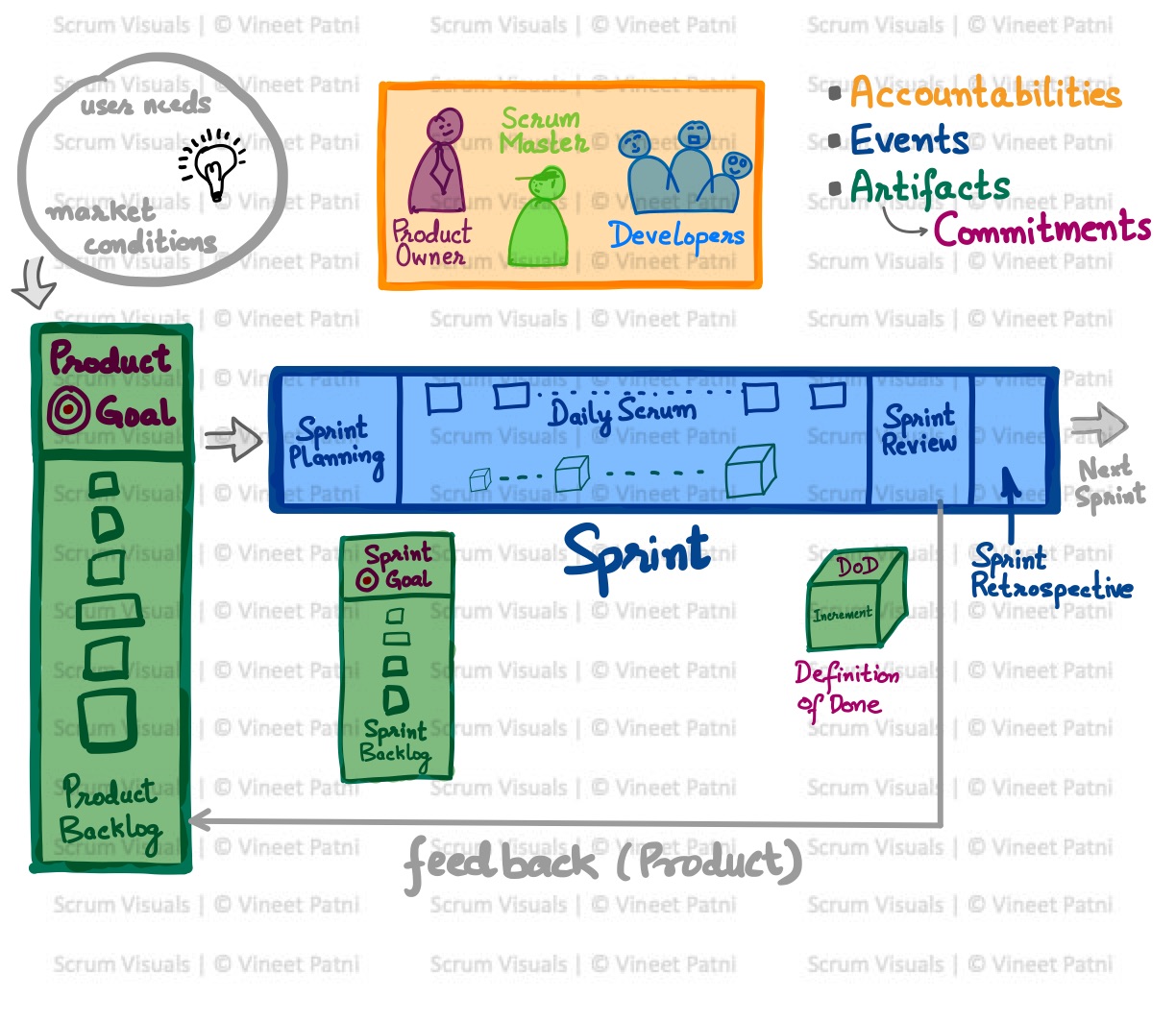
While both belong to the Agile family, Kanban and Scrum differ in approach:
| Aspect | Scrum | Kanban |
| Structure | Time-boxed sprints | Continuous flow |
| Roles | Defined (Scrum Master, PO, Team) | Flexible, no fixed roles |
| Planning | Sprint-based | Ongoing |
| Metrics | Velocity | Cycle time, throughput |
| Changes | Limited during sprint | Allowed anytime |
In short — Scrum is iterative, while Kanban is continuous. Many modern teams even combine both approaches (Scrum with Kanban) to balance structure and flexibility.
Implementing Kanban in Your Organization
Getting started with Kanban doesn’t require a complete overhaul. You can begin with your current workflow and gradually introduce improvements:
- Start by visualizing your existing process.
- Introduce a simple Kanban board with 3–5 columns.
- Set WIP limits based on your team capacity.
- Track progress using metrics like Lead Time and Cycle Time.
- Hold short retrospectives to discuss improvements.
As your team matures, you can add more sophistication — swimlanes, automation, or advanced analytics.
Kanban Metrics to Track
To measure progress and optimize performance, focus on these key metrics:
- Lead Time: Time from task creation to completion.
- Cycle Time: The Time a task spends actively being worked on.
- Throughput: Number of tasks completed over a specific period.
- Cumulative Flow Diagram (CFD): A Visual representation of workflow stability and bottlenecks.
These insights help teams identify delays, manage workloads, and improve predictability.
Common Mistakes to Avoid
Ignoring WIP limits.
Not updating the board regularly.
Treating Kanban as a tracking tool instead of a management method.
Lack of feedback loops or retrospectives.
Overcomplicating the system too early.
Start simple, stay consistent, and let your process evolve naturally.
Conclusion: Kanban as a Path to Continuous Improvement
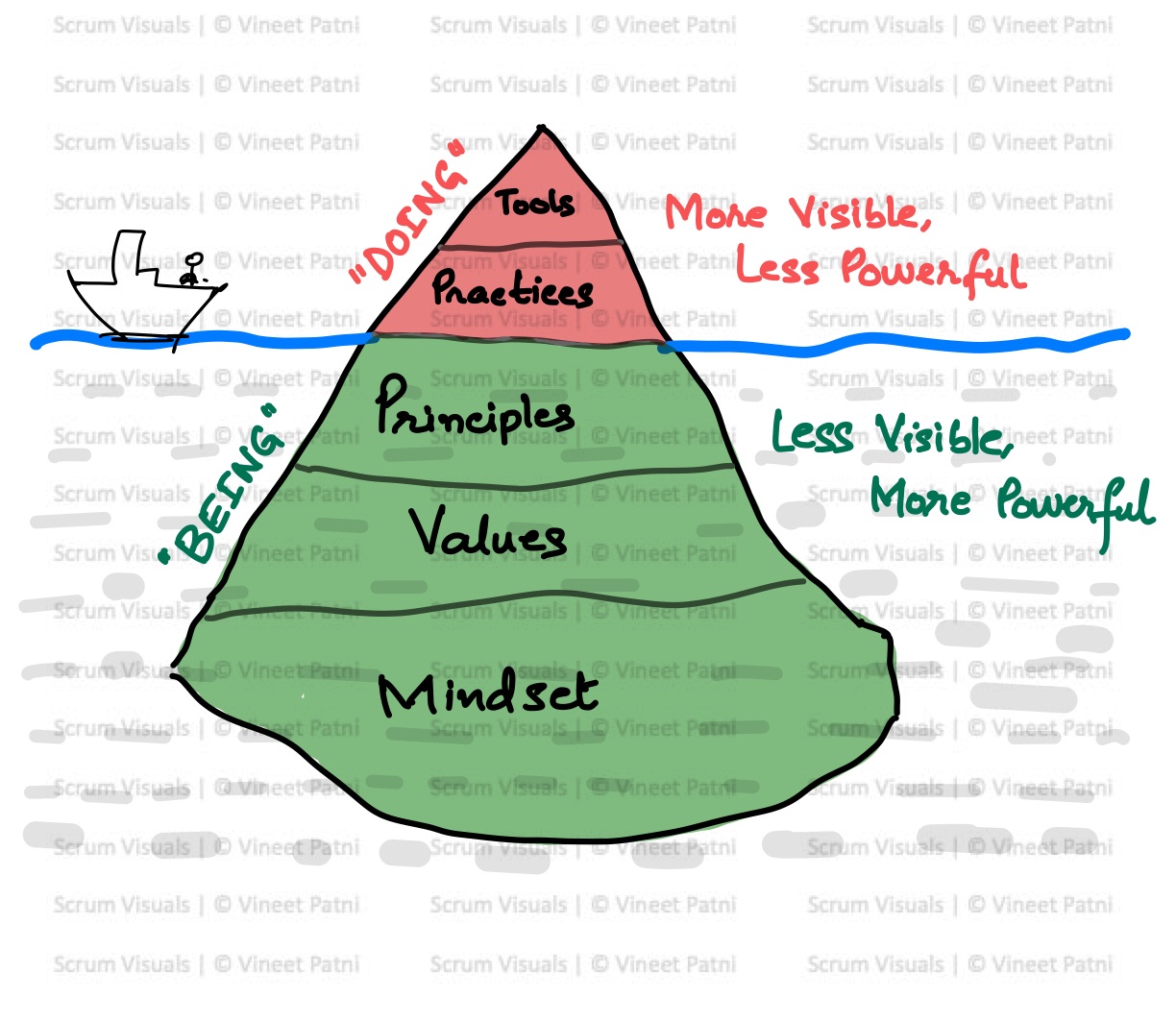
Kanban is more than a visual tool — it’s a mindset of flow, focus, and flexibility.
It empowers teams to deliver value continuously, improve processes incrementally, and stay adaptive in an ever-changing business landscape.
Whether you’re a startup founder, a project manager, or an enterprise leader, Kanban can help you streamline your workflow, reduce waste, and build a culture of continuous improvement — one card at a time.
Upcoming Trainings



← Scroll to see more →